Cleveland Museum of Art
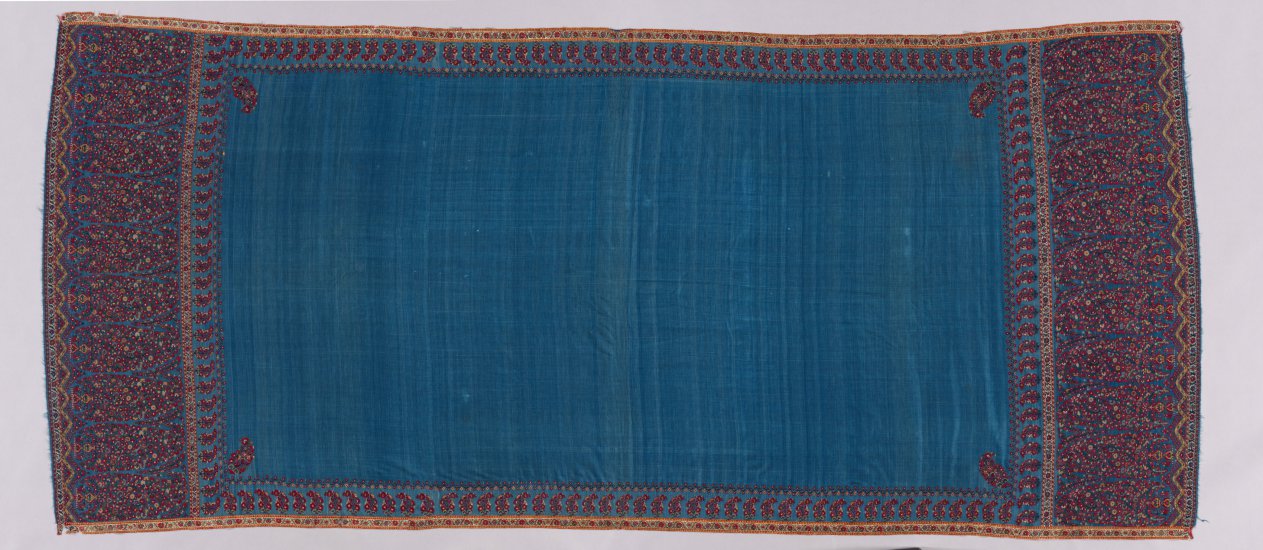
Shawl with boteh
- Date
- 1820–1830
- Medium
- 2/2 twill tapestry weave, double interlocked: wool, possibly pashmina
- Culture
- India, Kashmir
- Department
- Textiles
- Institution
- Cleveland Museum of Art
Thousands of luxurious shawls imported from Kashmir, India, were status symbols that European-manufactured imitations could not equal. Those woven in Paisley, Scotland, gave rise to the popular term paisley. Their representation in portraits records the evolution of shawl fashions, which helps to date surviving examples. The coveted quality of Kashmir shawls was achieved with luxurious fine goat hair woven in twill tapestry to form small colorful blossoms. Such shawls are lightweight, supple, and warm. A plethora of blossoms arranged in small vases on stands form the large paisley or boteh motifs, while smaller versions enliven the sides of the field. Such floral displays evolved from blossoming plants possibly in 16th-century India.
The authoritative record is held by Cleveland Museum of Art. LinkedCulture surfaces this object and its connections; it does not alter institutional metadata.
Related across collections
Semantically similar works from Cleveland Museum of Art and other institutions.
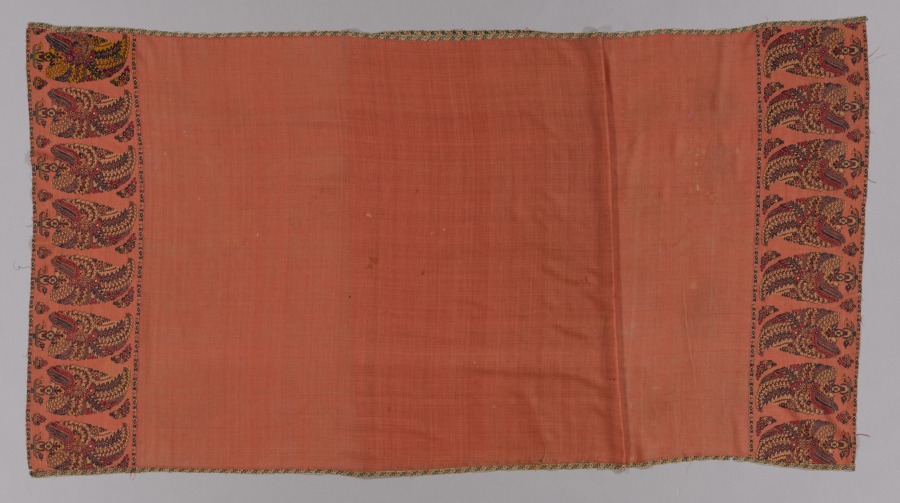
Apricot Long Shawl
Cleveland Museum of Art
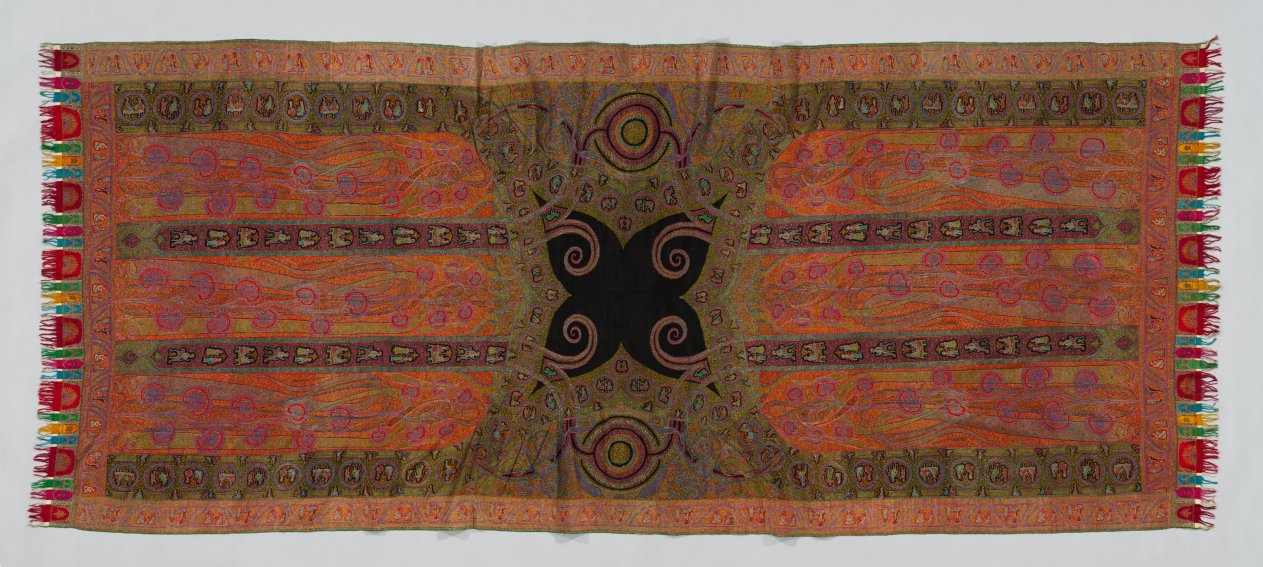
Long shawl with woven figures and animals
Cleveland Museum of Art
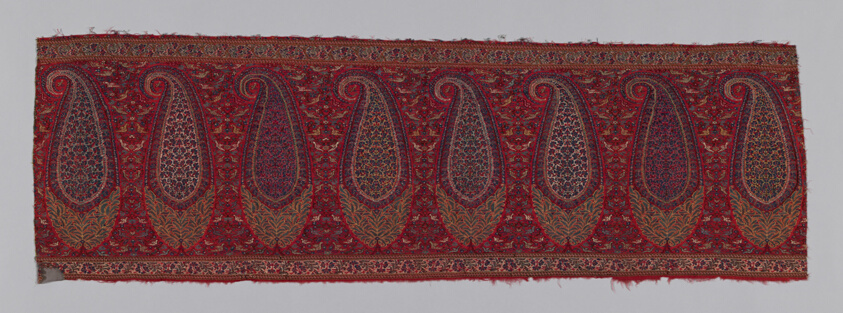
Shawl Border (Pallu)
Art Institute of Chicago
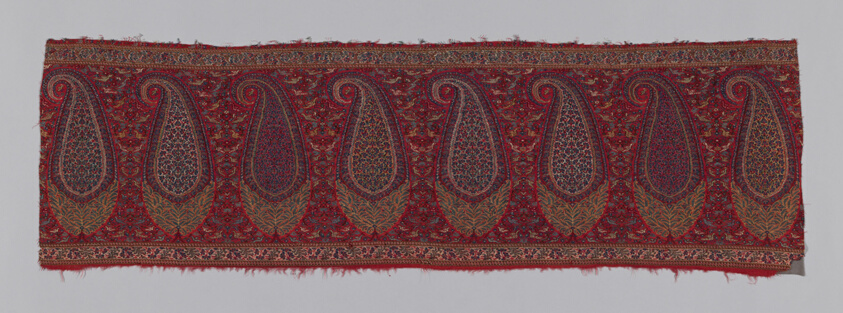
Shawl Border (Pallu)
Art Institute of Chicago
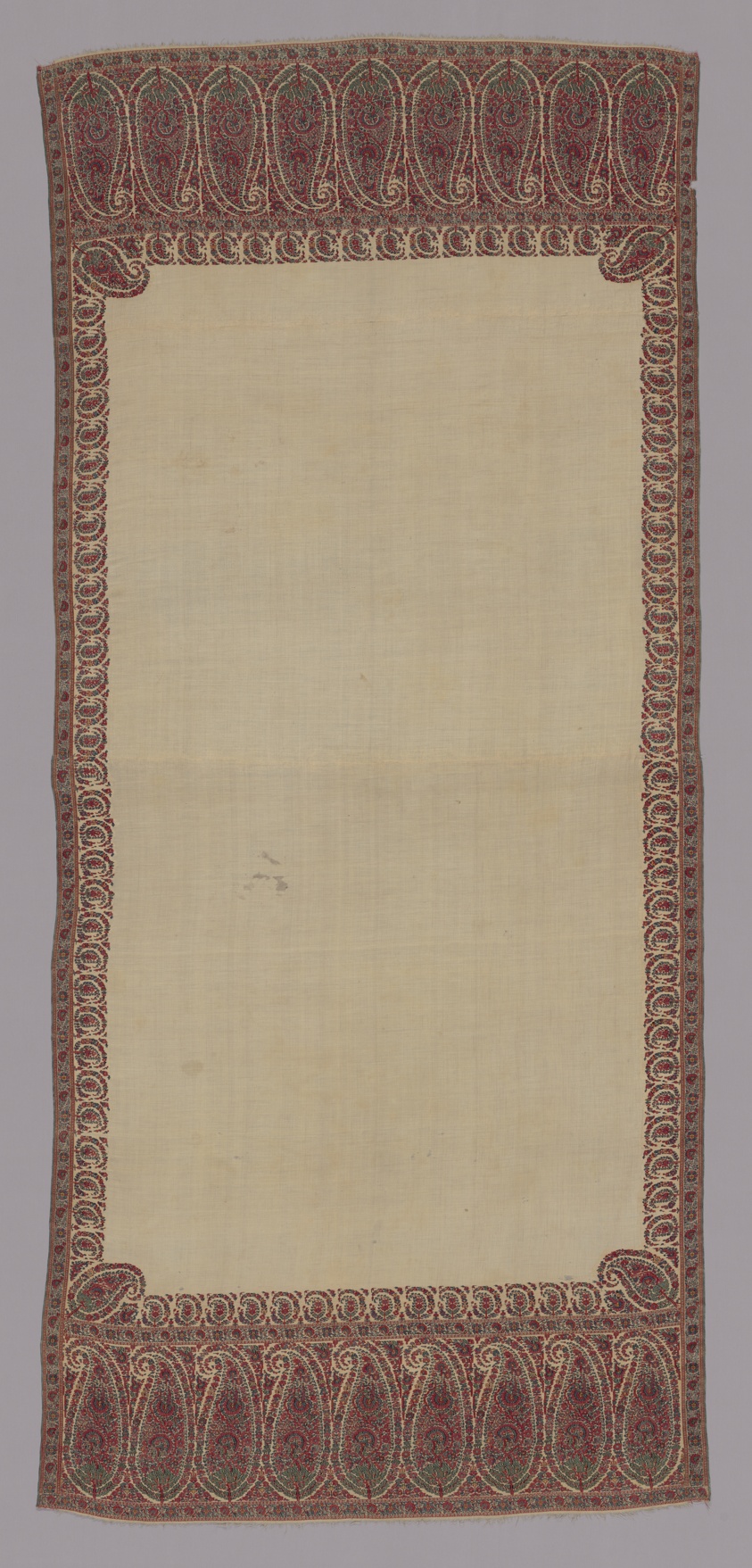
Palledar (Long Shawl)
Art Institute of Chicago

Shawl
Minneapolis Institute of Art
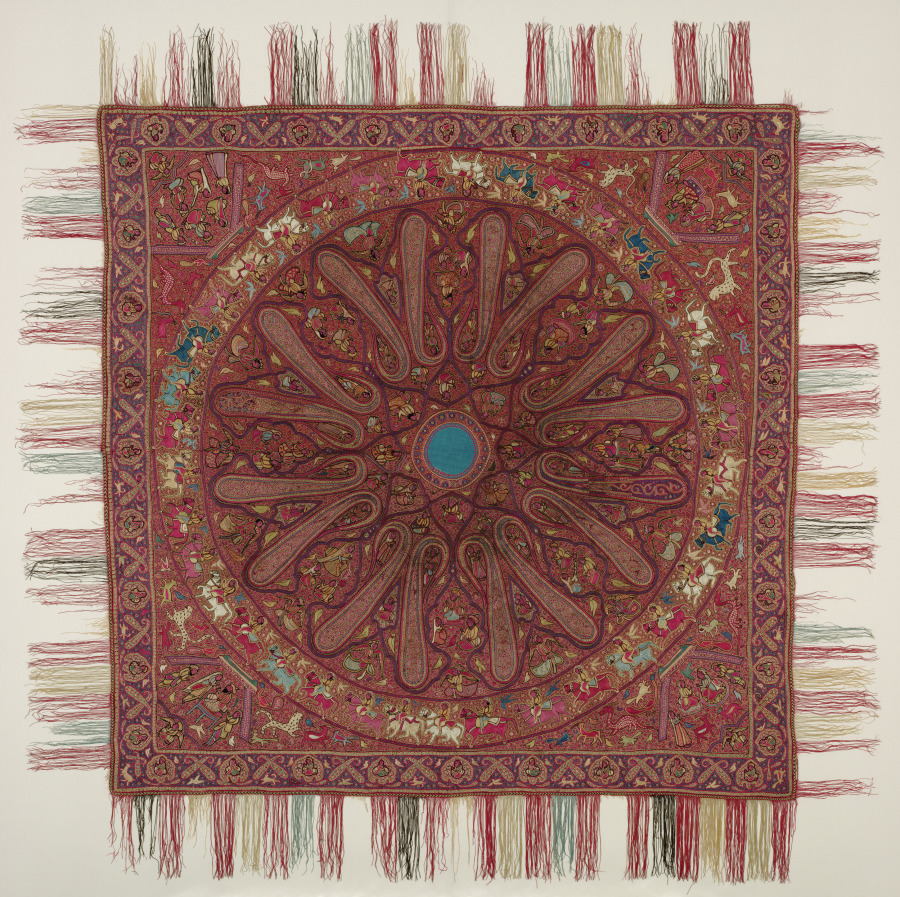
Square Shawl
Cleveland Museum of Art
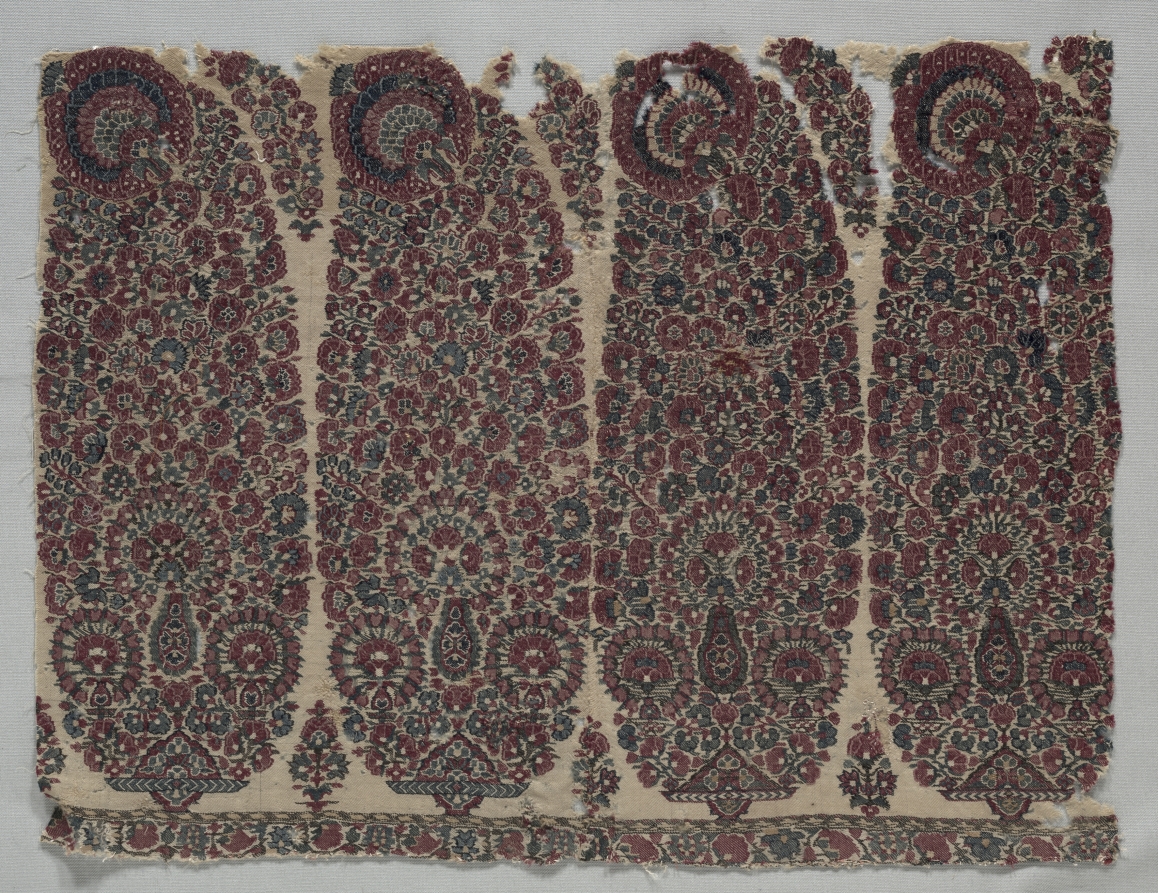
Border of a Shawl
Cleveland Museum of Art
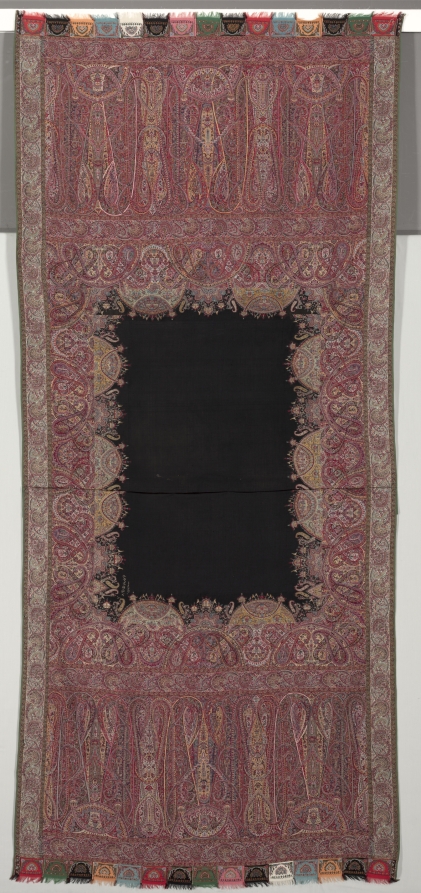
Long Shawl with Black Center and Exotic Four-Sided Gallery in Chinoiserie Style
Cleveland Museum of Art
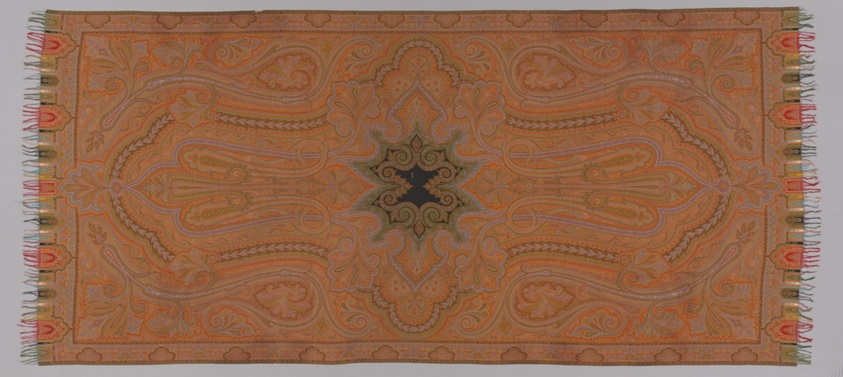
Woman's Long Shawl
Art Institute of Chicago
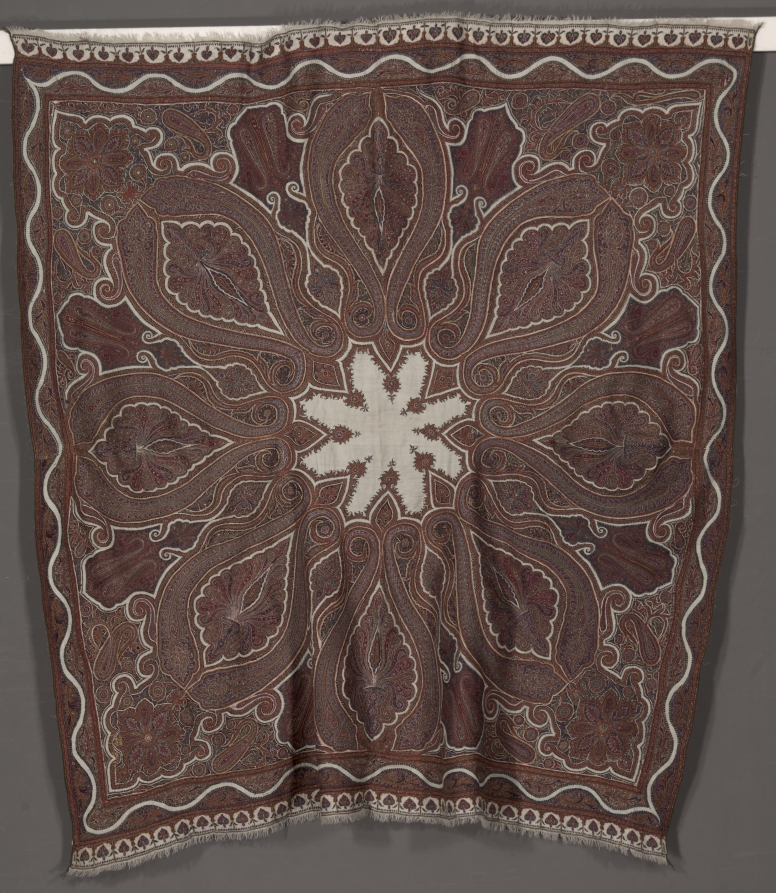
Square Shawl ("amli")
Cleveland Museum of Art
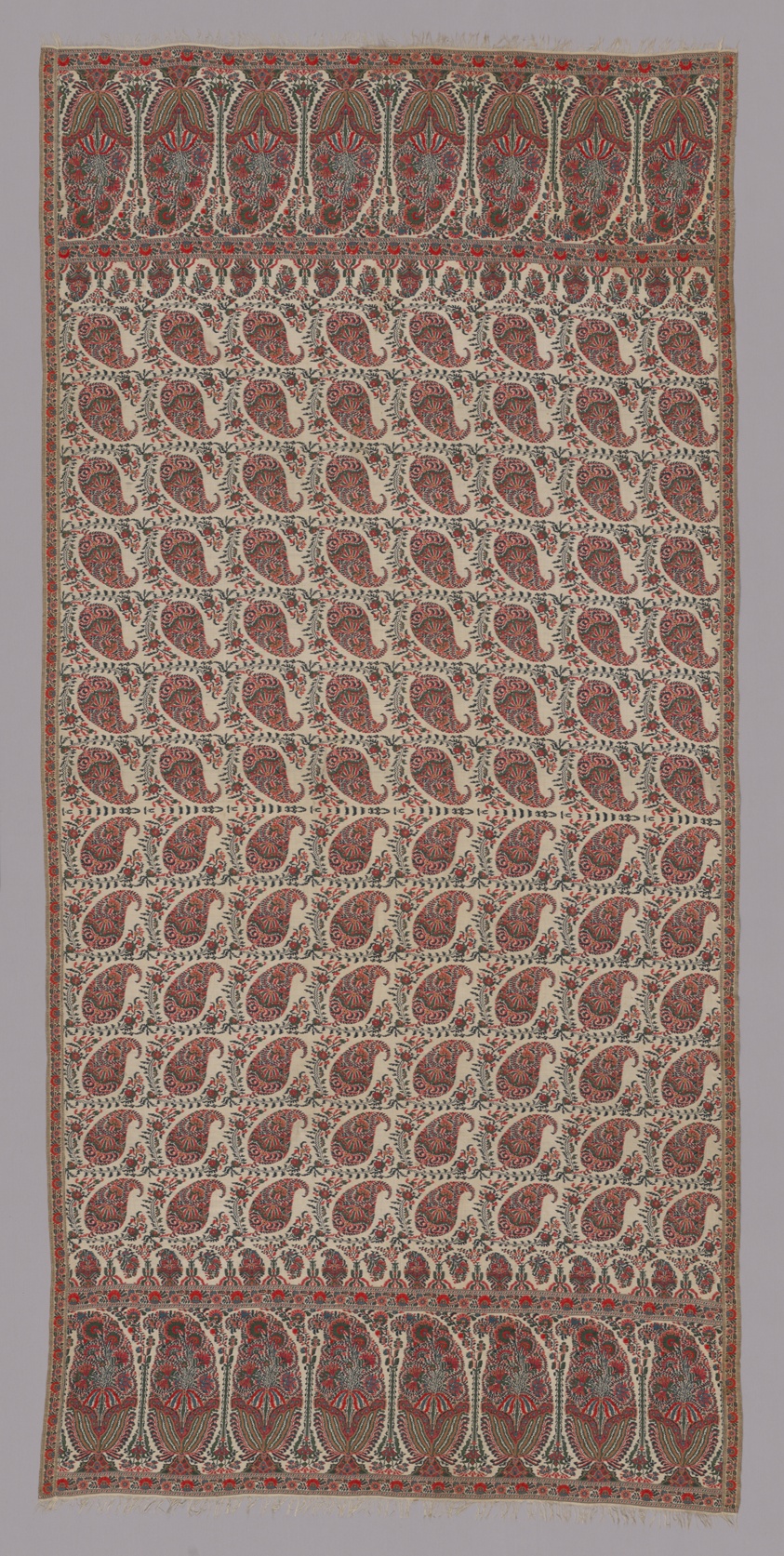
Woman's Long Shawl
Art Institute of Chicago