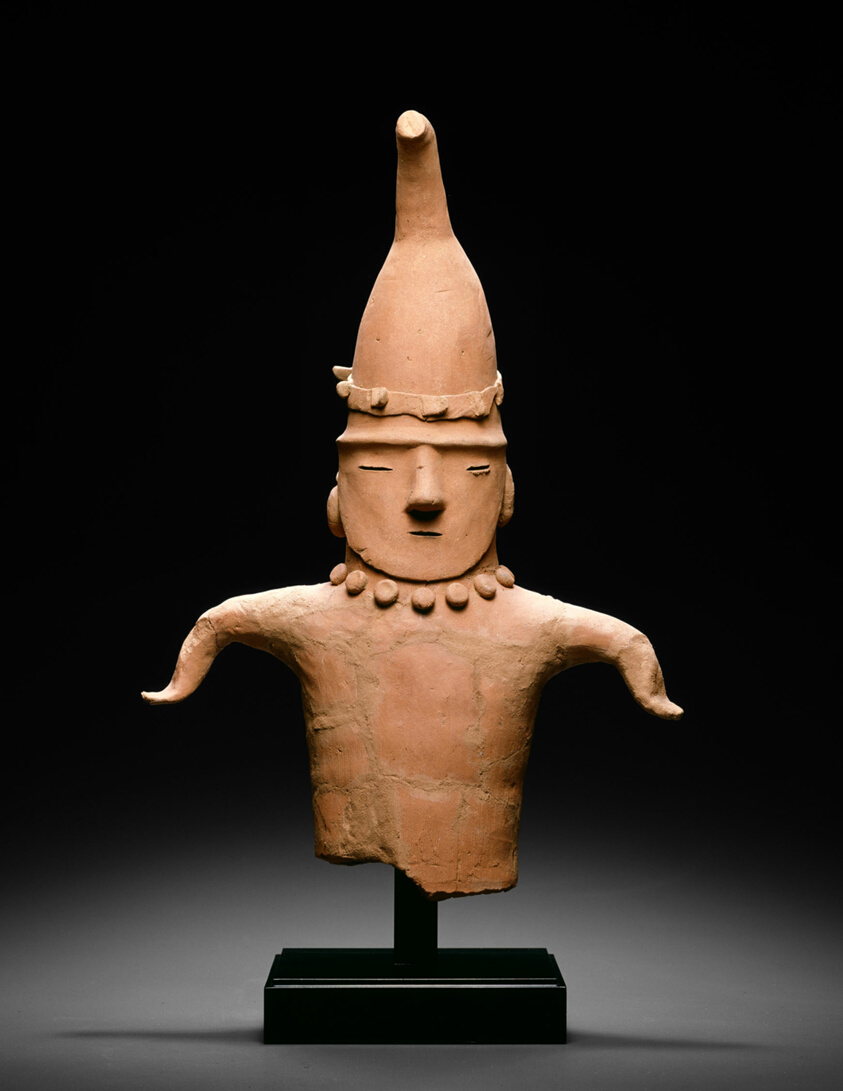
Art Institute of Chicago
Head and Torso of a Dancing Figure
Japan
- Date
- 5th–7th century
- Medium
- Earthenware
- Culture
- Japan
- Department
- Arts of Asia
- Institution
- Art Institute of Chicago
Haniwa (literally “clay rings”) were made as funerary sculptures for Japanese nobility. Unlike Chinese tomb figures, which were buried with the deceased in underground chambers, haniwa were placed on the surface of earthen grave mounds. Rows of haniwa, partially submerged in the soil for stability, outlined the sacred contours of a burial site or were set up at its front. This head and torso of a male figure appears to be dancing, perhaps a common event at funeral ceremonies.
The authoritative record is held by Art Institute of Chicago. LinkedCulture surfaces this object and its connections; it does not alter institutional metadata.
Linked open data
Authority identifiers that link this record into the wider web of cultural data — stable references you can follow to the source.
- Object type
- AAT300312158
Related across collections
Semantically similar works from Art Institute of Chicago and other institutions.
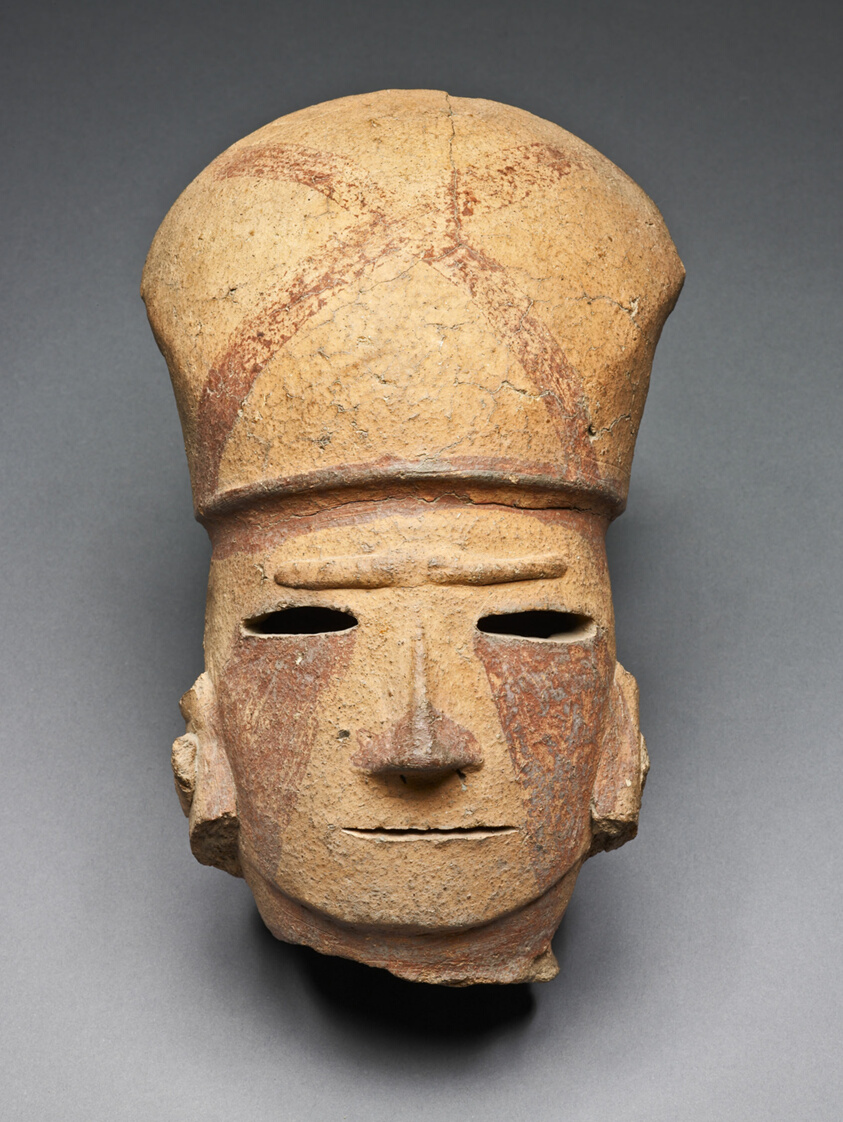
Head of a Warrior
Art Institute of Chicago
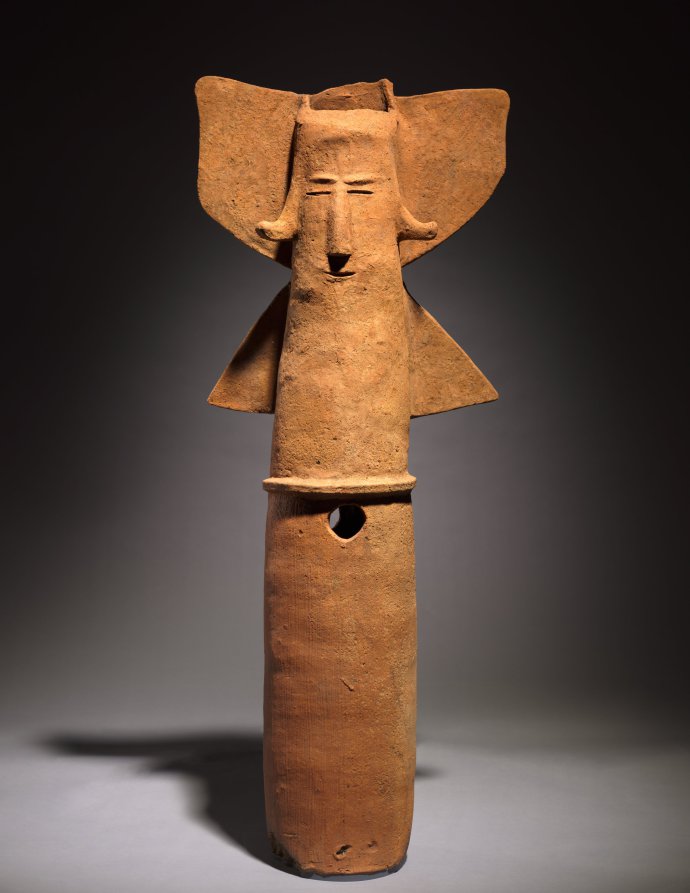
Haniwa in the Form of a Shield
Cleveland Museum of Art
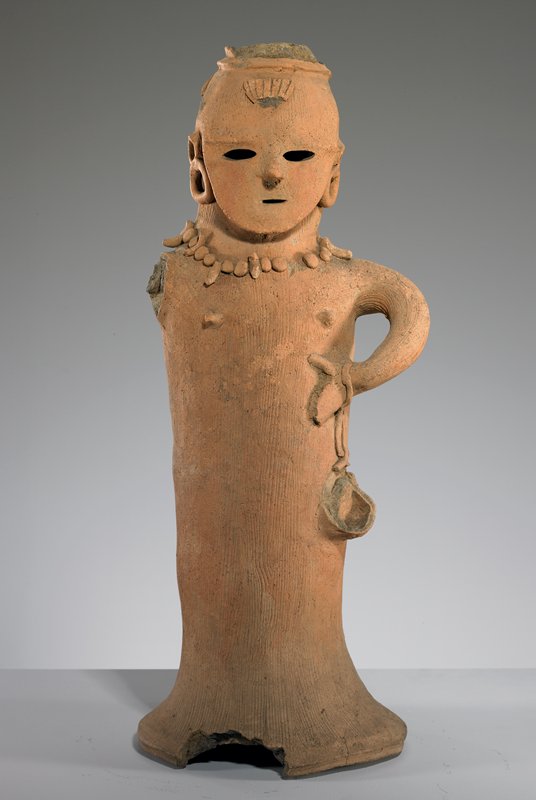
Haniwa of a Female Shrine Attendant
Minneapolis Institute of Art
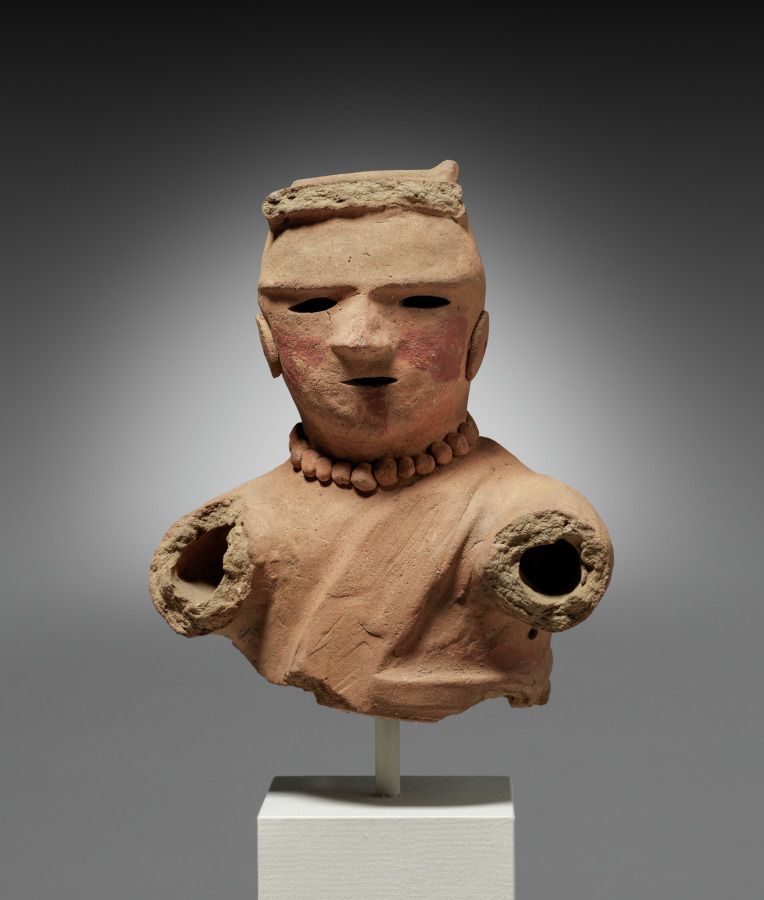
Haniwa Figure of a Female
Cleveland Museum of Art
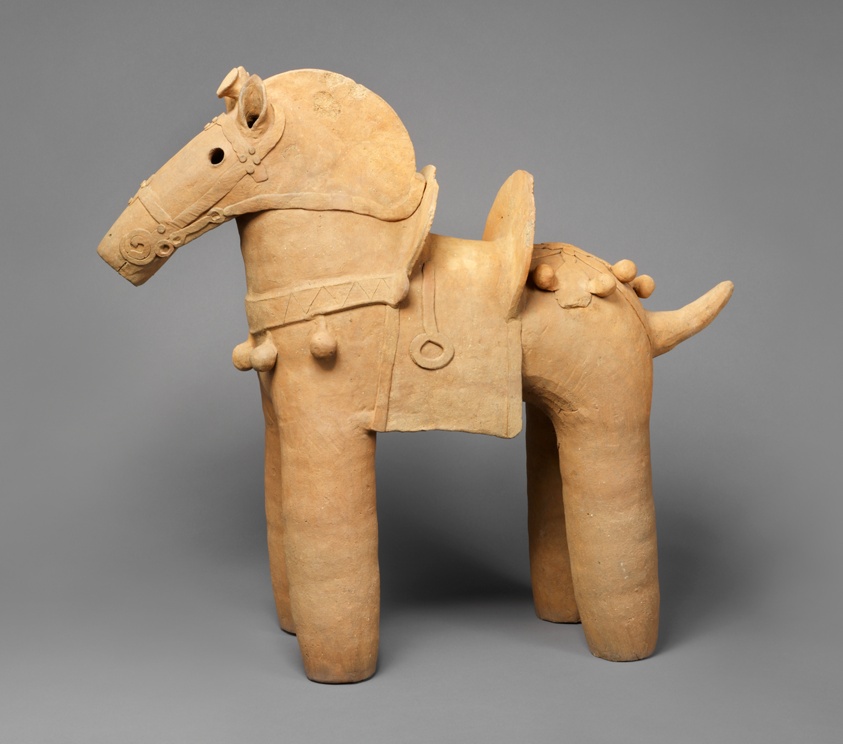
Horse
Art Institute of Chicago
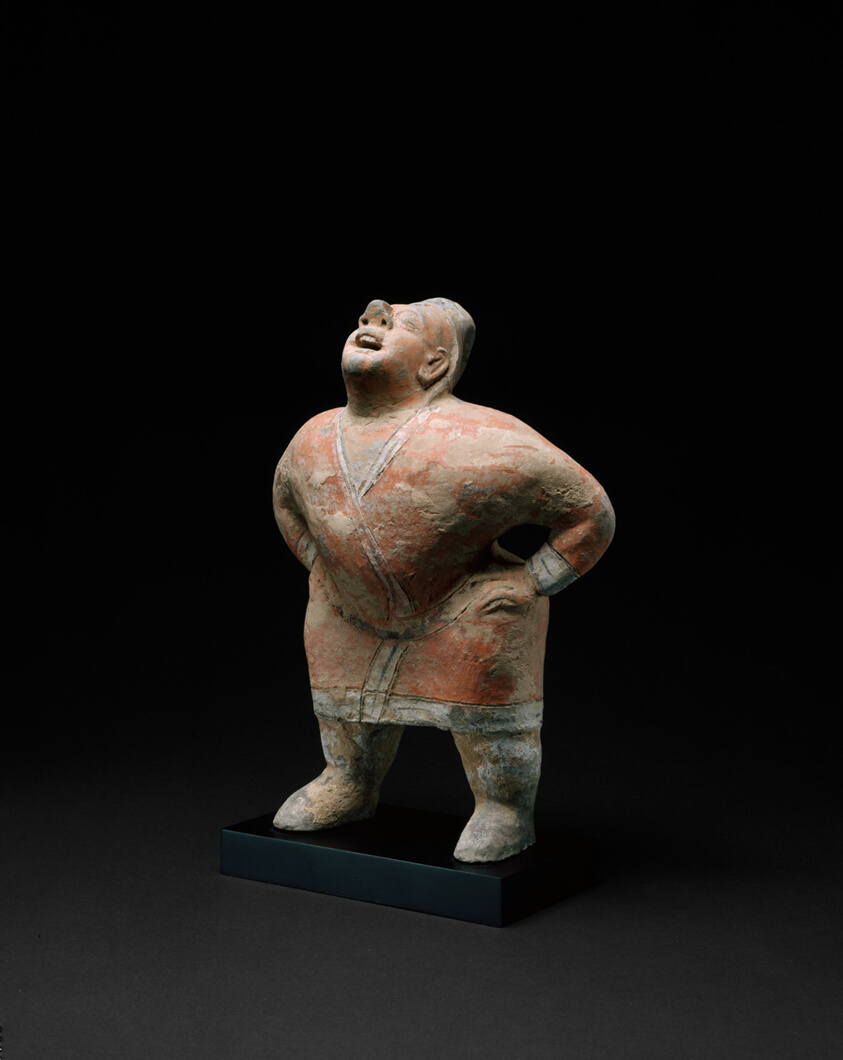
Entertainer
Art Institute of Chicago
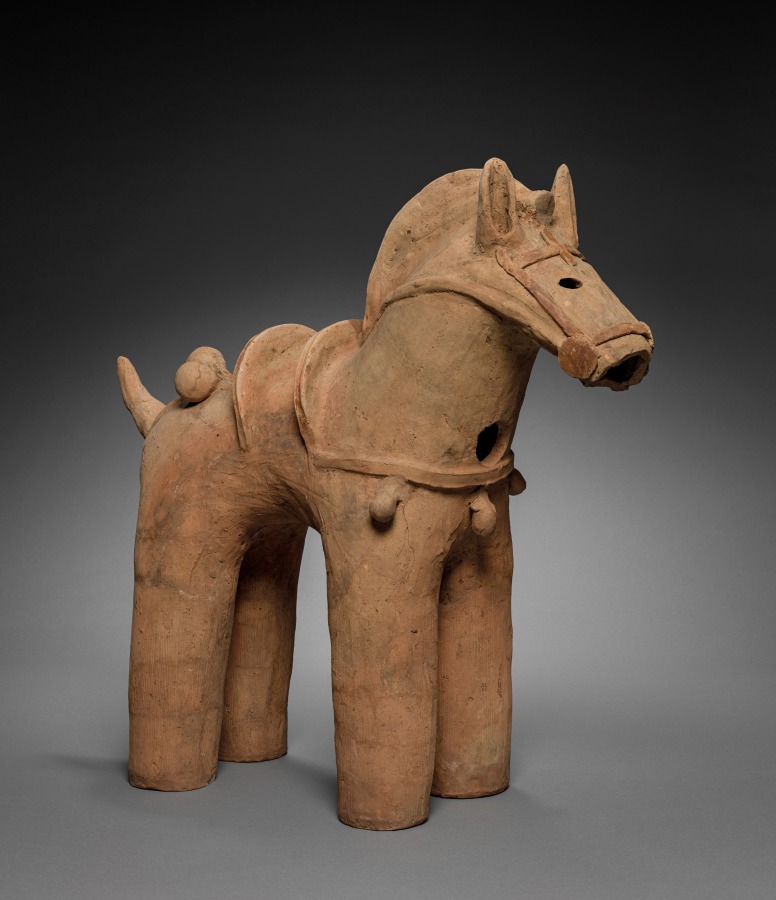
Haniwa Horse
Cleveland Museum of Art
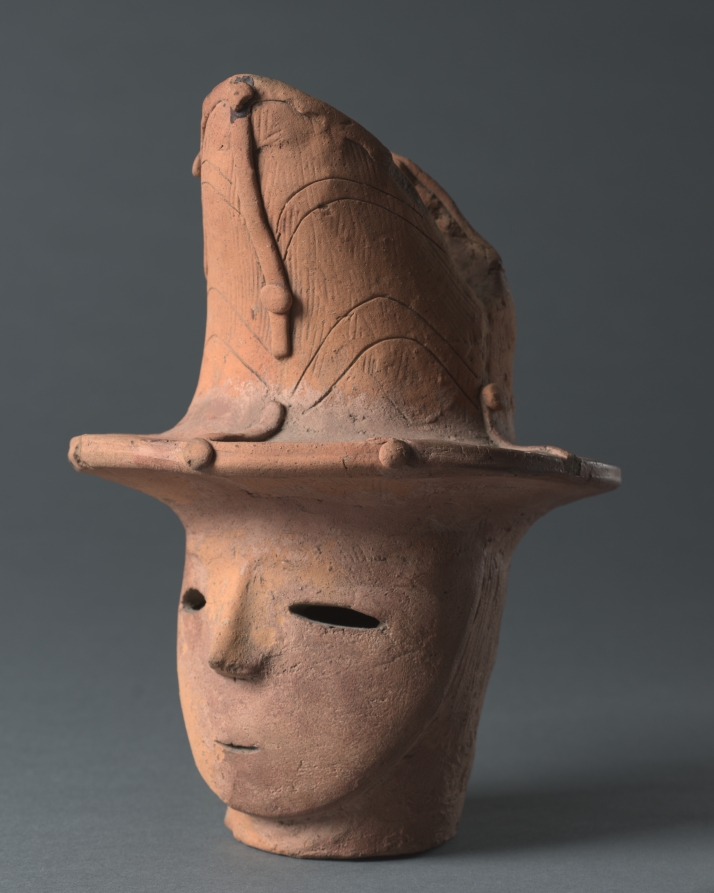
Male Haniwa Head
Cleveland Museum of Art

Figure of a Squatting Drummer
Minneapolis Institute of Art

Equestrian figure
Minneapolis Institute of Art
Standing, Bearded Male Figure, Probably a Guardian Warrior, Wearing Helmet with Protective Neck and Ear Flaps, Cape, and Pointed Boots, with His Arms at His Sides
Harvard Art Museums
Tomb Figurine in the form of a Female Dancer
Harvard Art Museums