Art Institute of Chicago
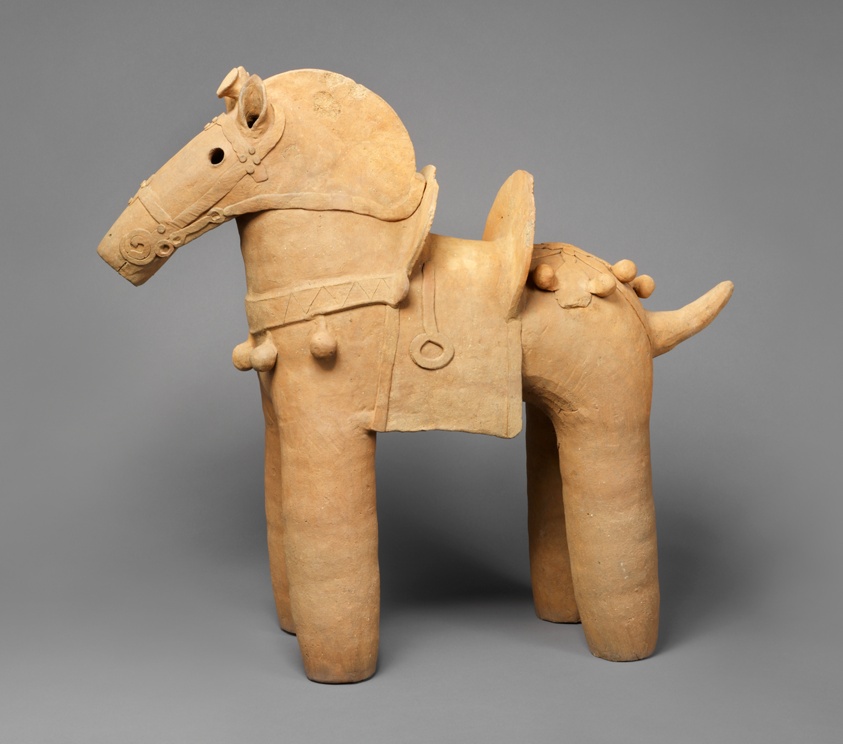
Horse
Japan
- Date
- 5th–6th century
- Medium
- Earthenware
- Culture
- Japan
- Department
- Arts of Asia
- Institution
- Art Institute of Chicago
This haniwa is a representation of a fully decorated horse, complete with saddle, stirrups, and bell ornaments on its front and back. The strap at the front has an incised chevron pattern, and the metal ring (suwari kanagu) used to gather up the leather straps at the back of a horse can be clearly seen. Excavated in Ibaragi prefecture, northeast of Tokyo, such a horse would have likely been at the front of a burial mound, in an area filled with a variety of figurines, as well as animal forms, perhaps meant to represent the possessions the deceased hoped to take with him after death. Horse breeds from the Asian continent proved to be effective militarily and quickly became symbols of wealth and power. Horses have also long been considered divine beings with special spiritual abilities.
The authoritative record is held by Art Institute of Chicago. LinkedCulture surfaces this object and its connections; it does not alter institutional metadata.
Related across collections
Semantically similar works from Art Institute of Chicago and other institutions.
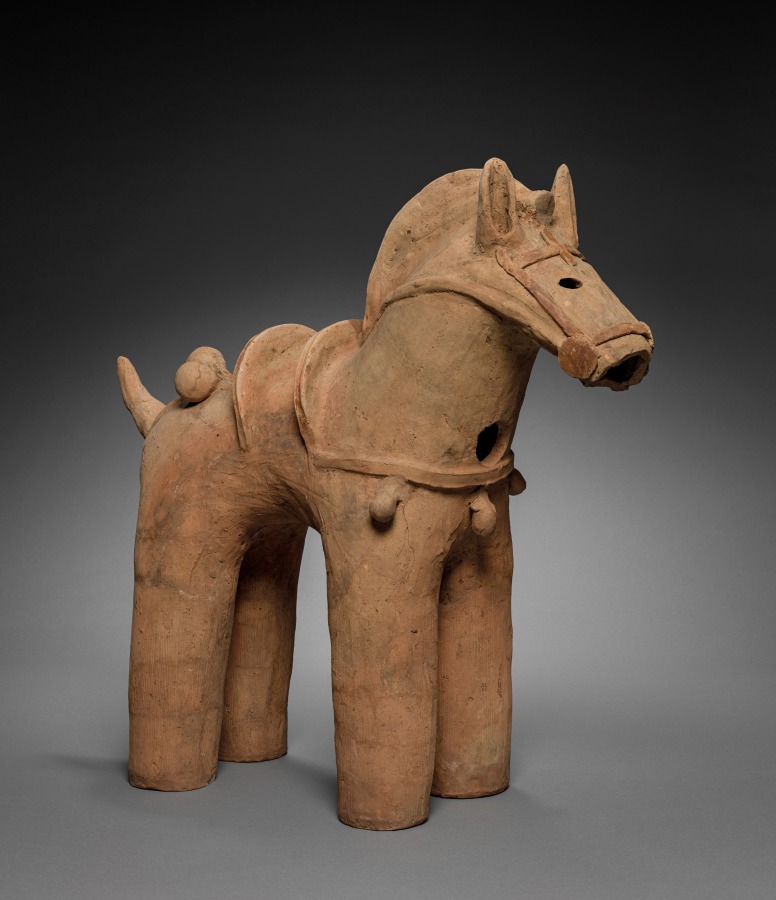
Haniwa Horse
Cleveland Museum of Art

Equestrian figure
Minneapolis Institute of Art
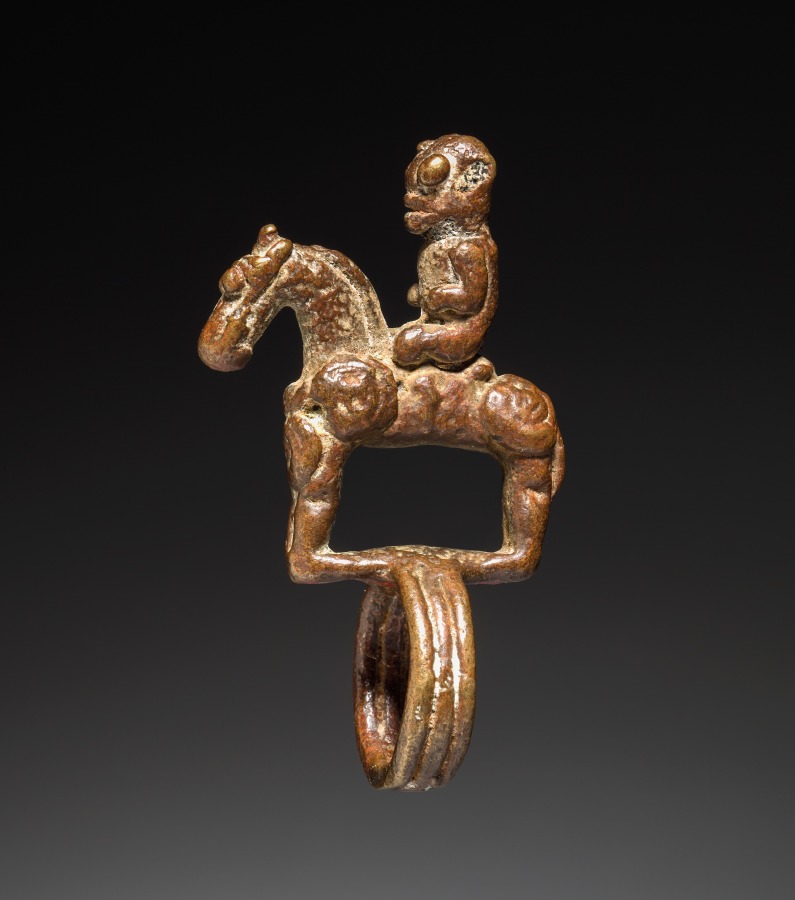
Ring
Cleveland Museum of Art
Standing Saddled Horse with Clipped Mane, Cropped and Tied Tail, and Roman-Style Bridle Ornaments
Harvard Art Museums
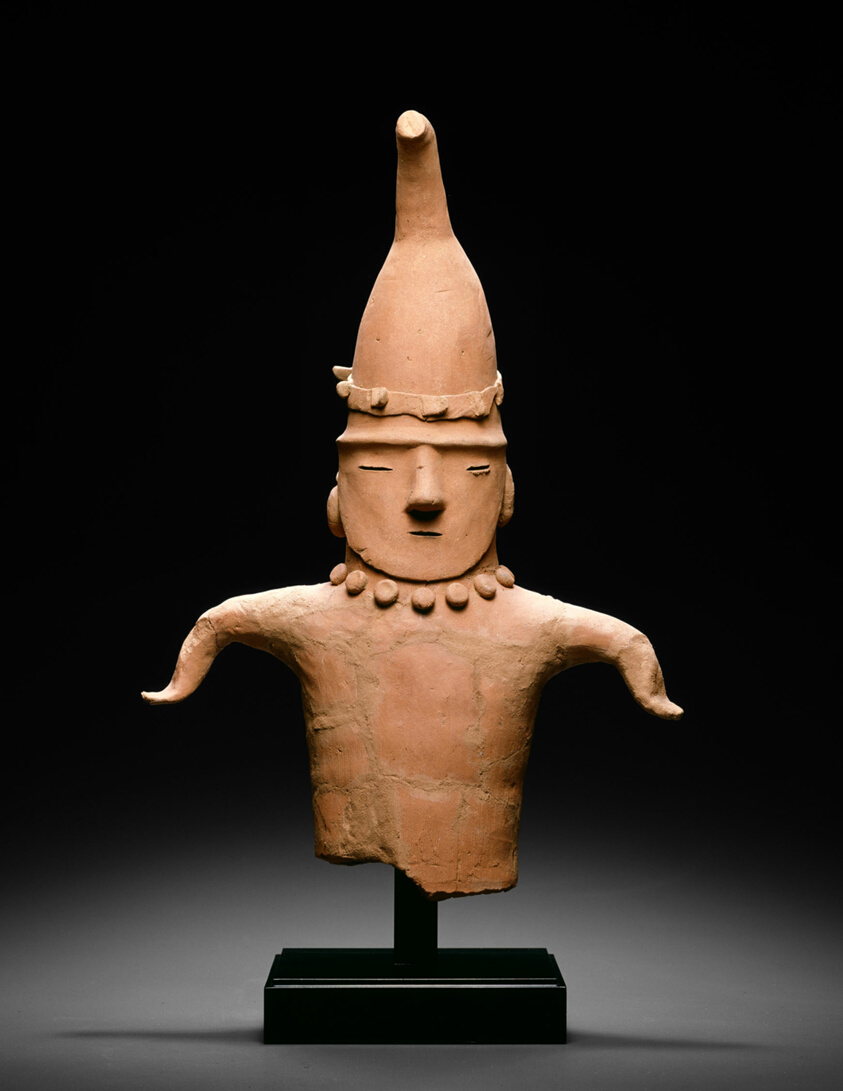
Head and Torso of a Dancing Figure
Art Institute of Chicago
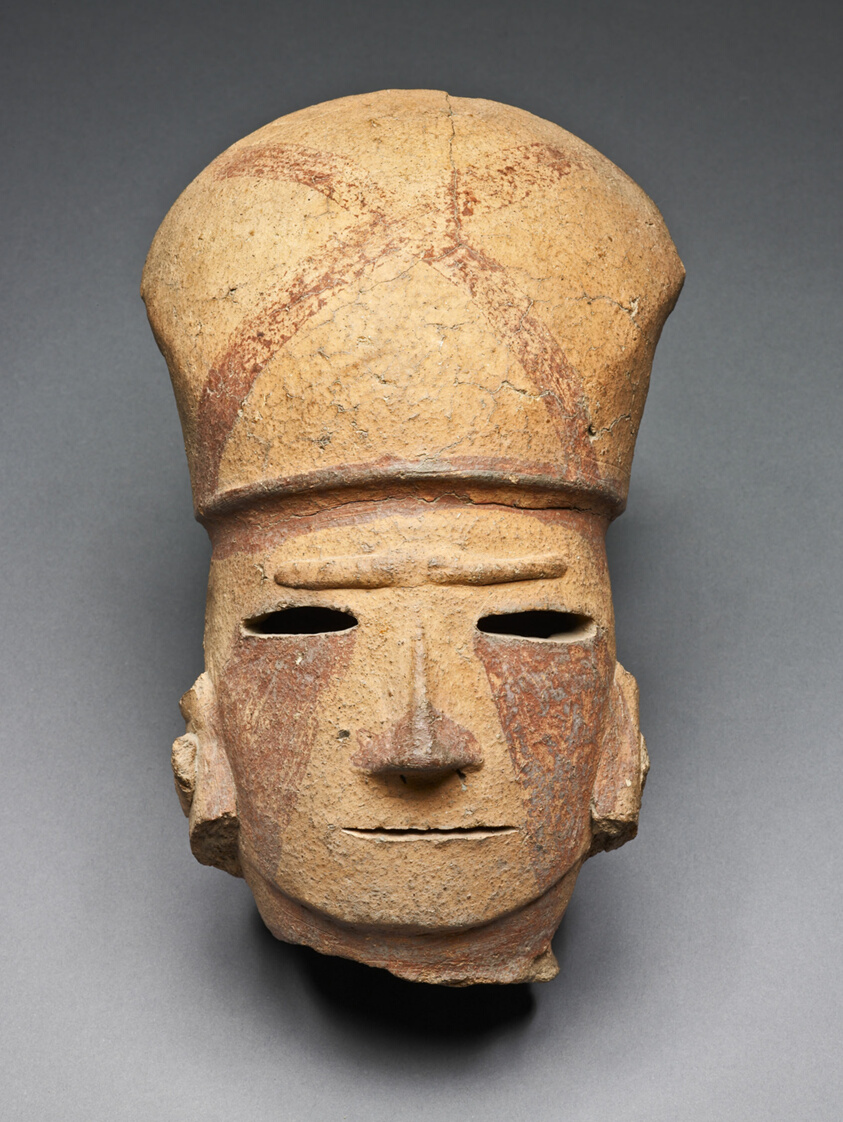
Head of a Warrior
Art Institute of Chicago
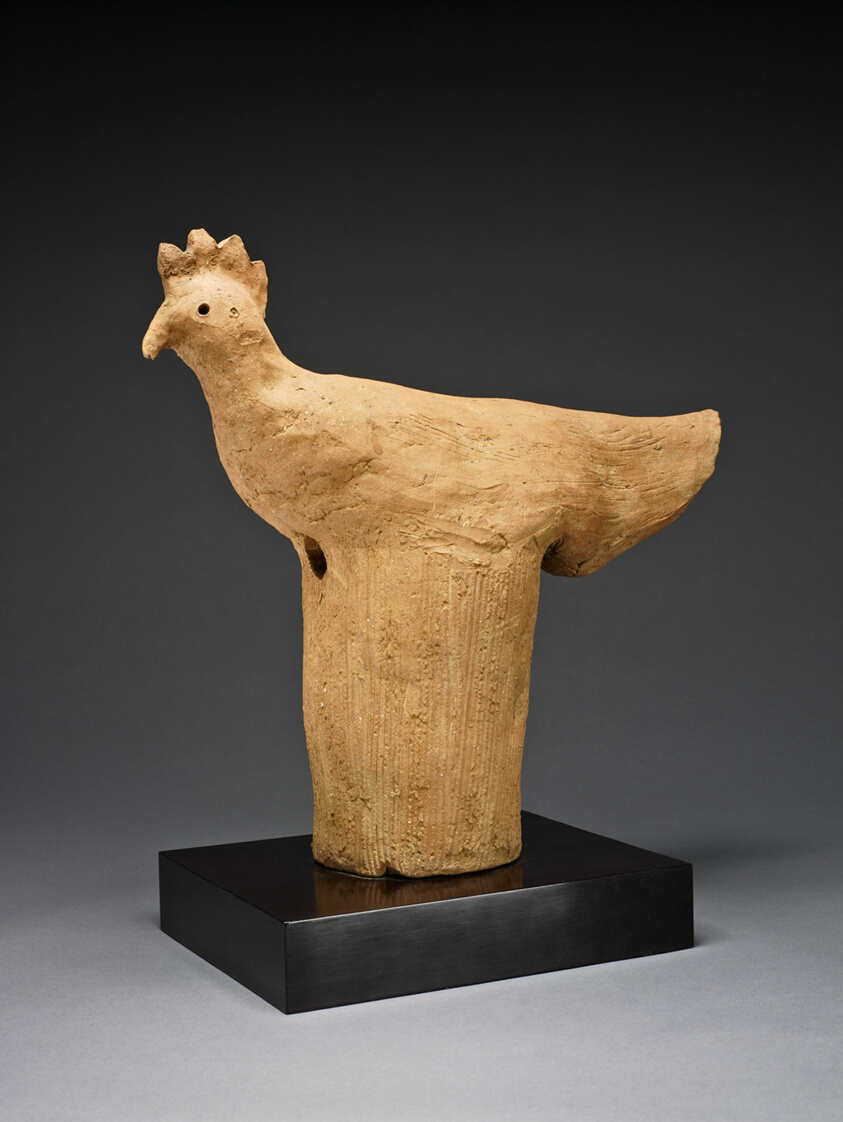
Hen
Art Institute of Chicago

Tomb Tile
Minneapolis Institute of Art
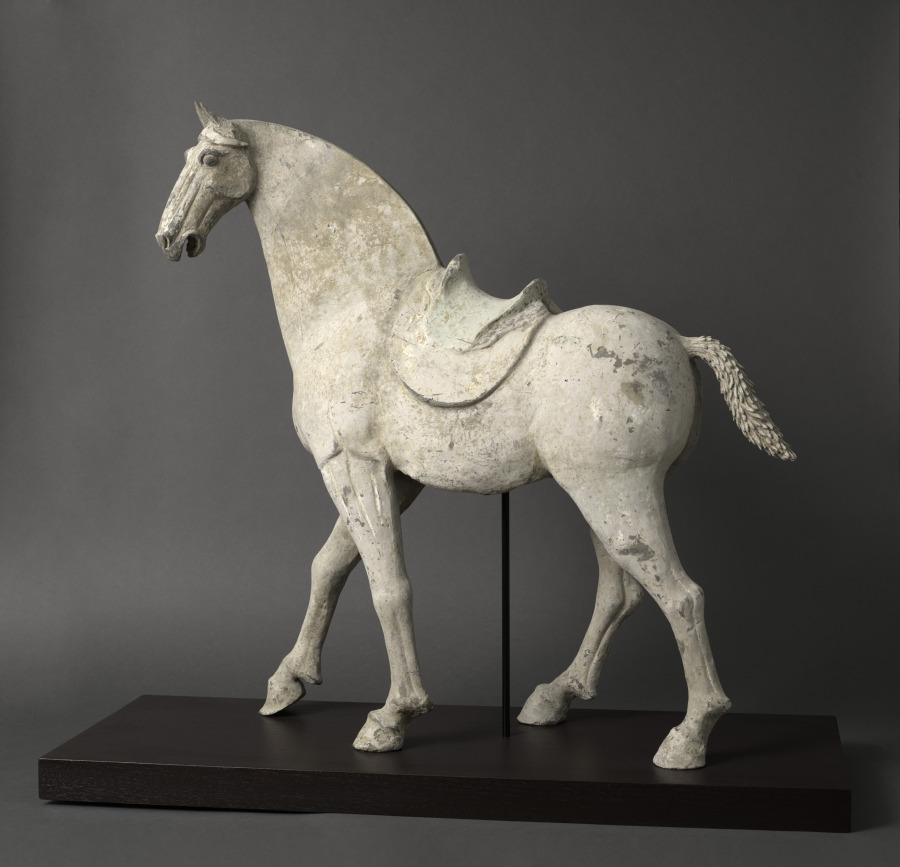
A Large Painted Striding Horse
Cleveland Museum of Art

Celestial Horse
Minneapolis Institute of Art

Prancing Horse
Minneapolis Institute of Art
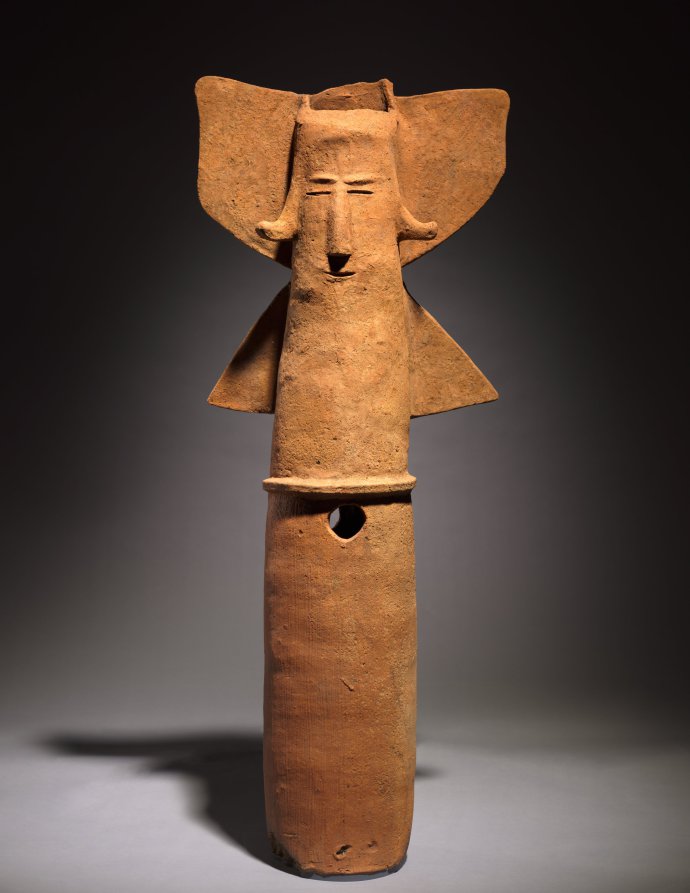
Haniwa in the Form of a Shield
Cleveland Museum of Art