Cleveland Museum of Art
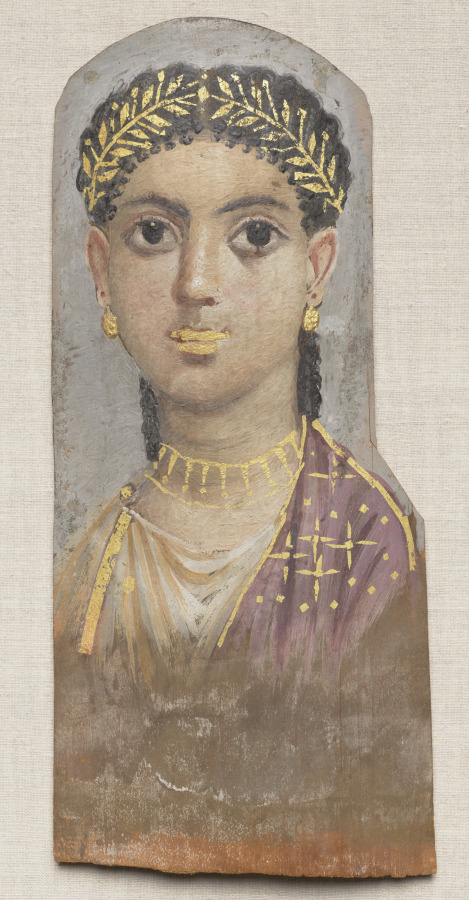
Funerary Portrait of a Young Girl
- Date
- c. 25–37 CE
- Medium
- encaustic on linden wood
- Culture
- Egypt, Roman Empire, late Tiberian
- Department
- Egyptian and Ancient Near Eastern Art
- Institution
- Cleveland Museum of Art
Transforming the spirit—not beautifying the mortal body—may have been the purpose of adding golden lips and jewelry to this painting. Egyptian-style burial customs and arts persisted throughout Greek, Roman, and Byzantine rule over Egypt (305 BCE–641 CE). The woman depicted in this panel lived between cultures. Her or her family’s choice of mummification reflected historical Egyptian practices of creating a physical “duplicate” for the deceased’s soul to rest in, and their decision to color her lips gold here may symbolize how death transformed her into an akh (effective spirit). In contrast, the choice of her clothing and hairstyle showed her embrace of contemporary ideals of Hellenic (Greco-Roman) Egyptian identity. This painting can be dated based on the hairstyle popular at the end of the reign of Emperor Tiberius (reigned 14–37 CE).
The authoritative record is held by Cleveland Museum of Art. LinkedCulture surfaces this object and its connections; it does not alter institutional metadata.
Related across collections
Semantically similar works from Cleveland Museum of Art and other institutions.
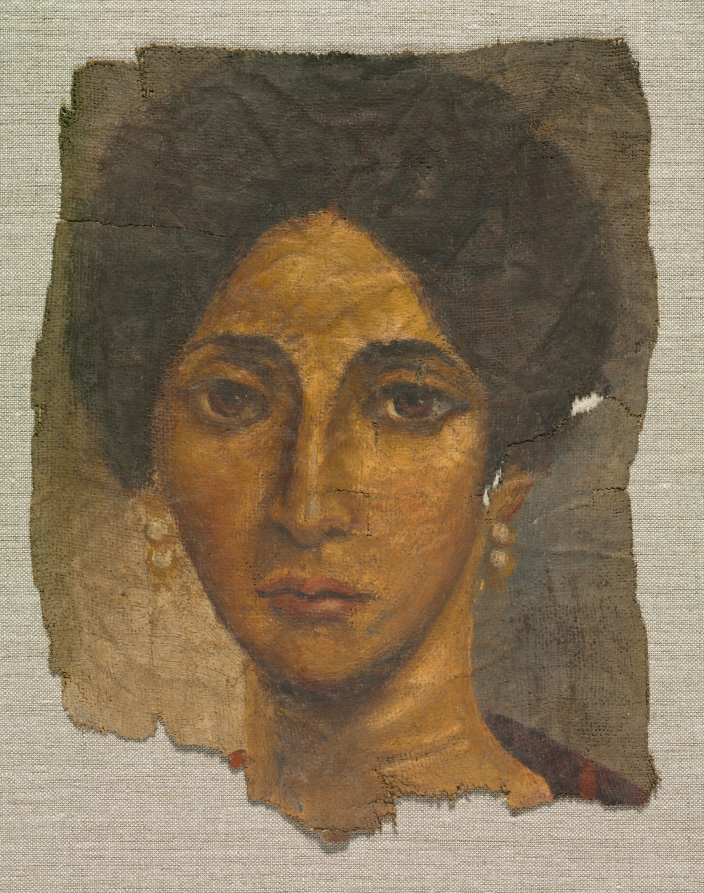
Funerary Portrait of a Woman
Cleveland Museum of Art

Mummy of Herakleides
Getty Museum
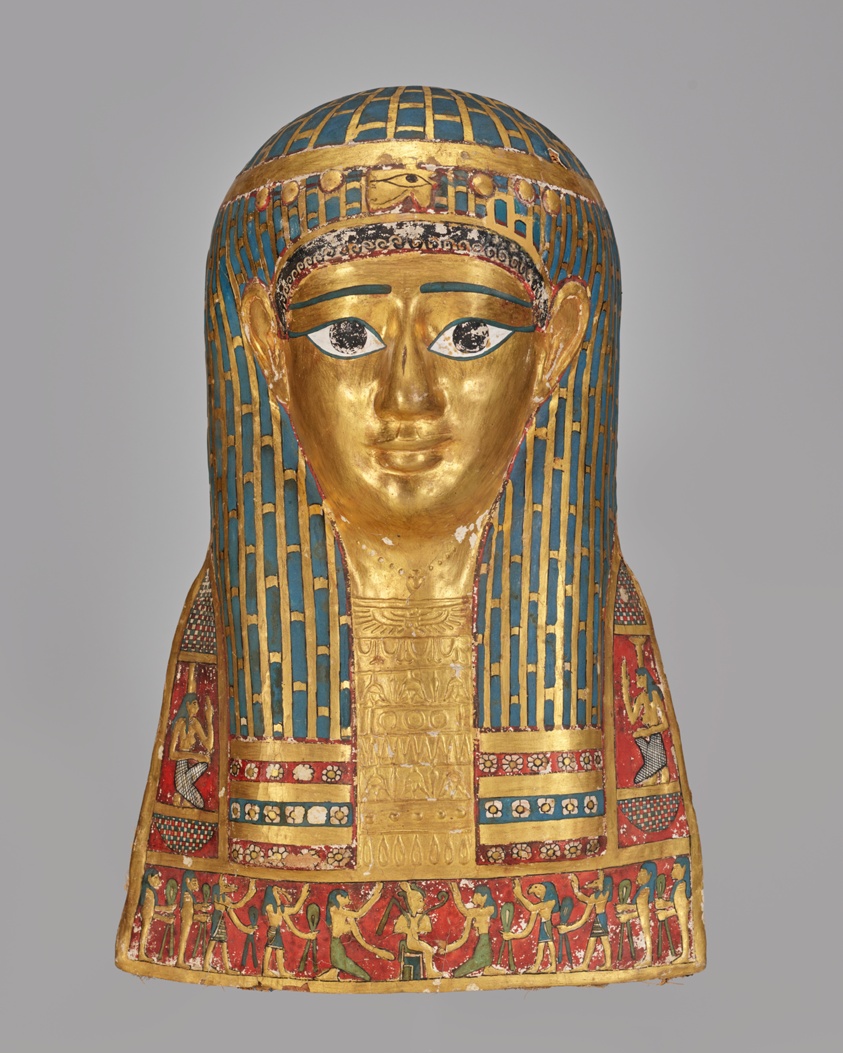
Funerary Mask
Art Institute of Chicago

Mummy Mask
Getty Museum
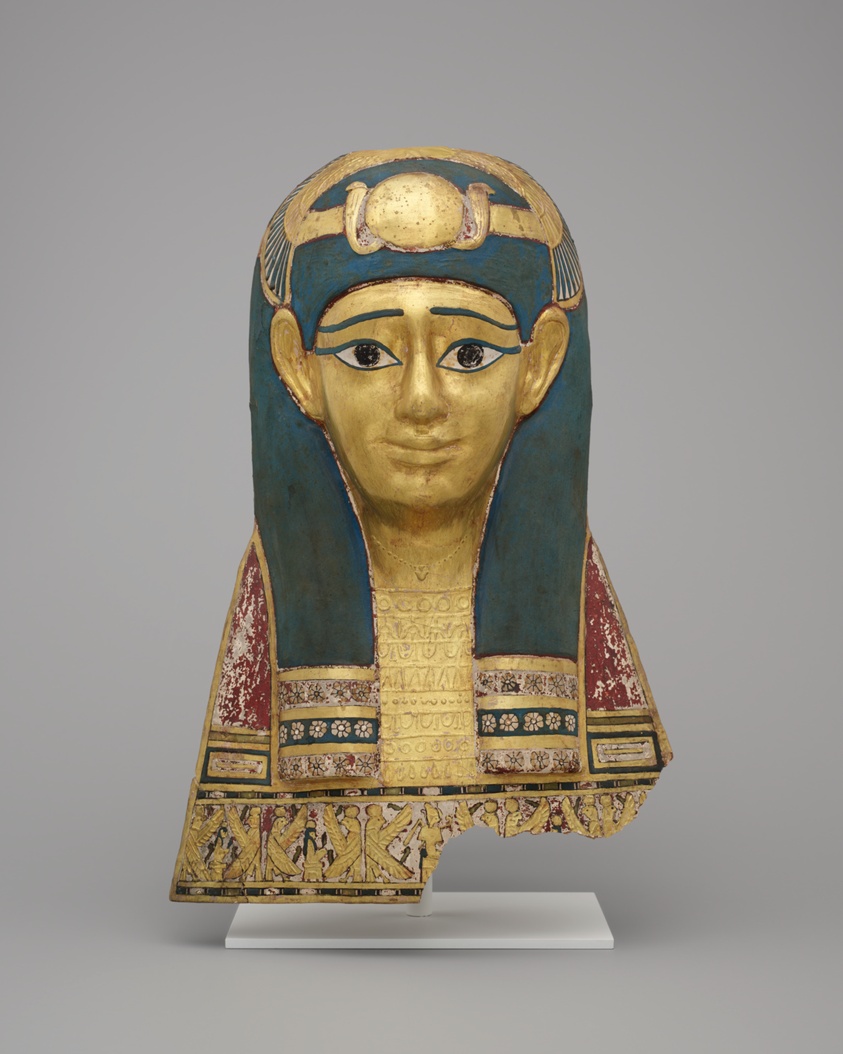
Funerary Mask
Art Institute of Chicago

Mummy Shroud with Painted Portrait of a Boy
Getty Museum

Mummy Portrait of a Bearded Man
Getty Museum
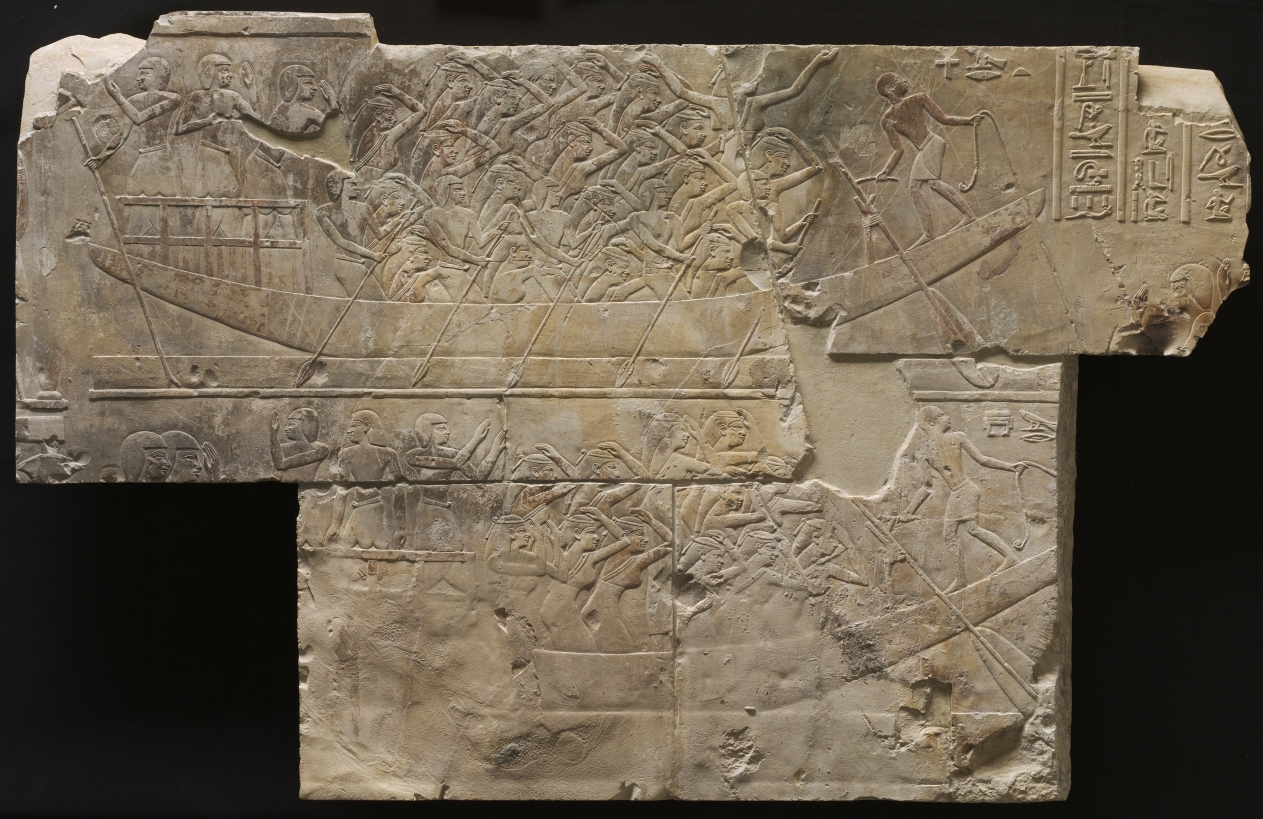
Two Boats with Female Mourners
Cleveland Museum of Art
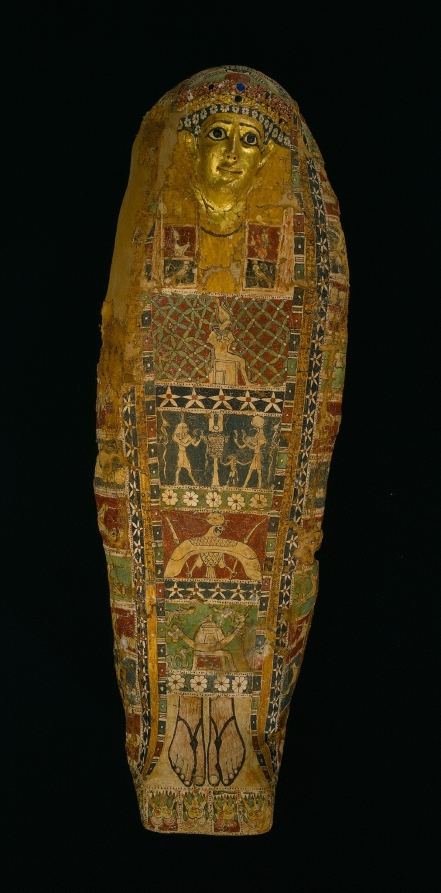
Cartonnage Mummy Case
Cleveland Museum of Art

Mummy Portrait of a Bearded Man
Getty Museum

Funerary papyrus
Minneapolis Institute of Art
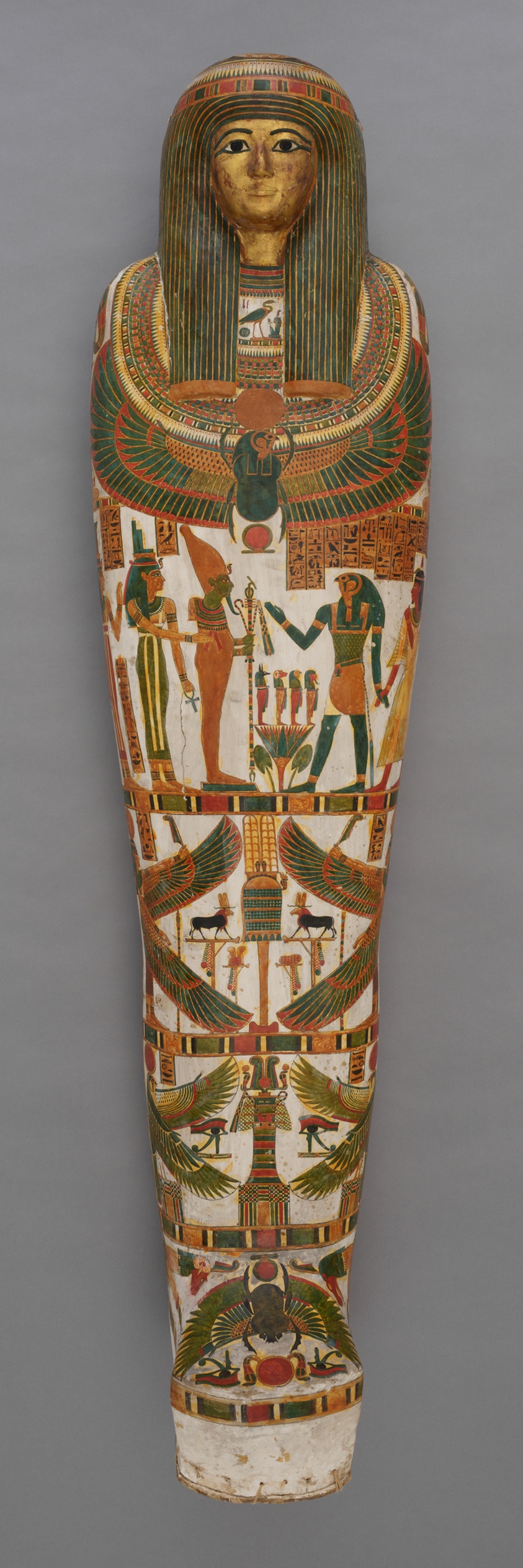
Coffin and Mummy of Paankhaenamun
Art Institute of Chicago