
Cleveland Museum of Art
Portrait of Basho
Ichijun
- Date
- 1700s
- Medium
- hanging scroll; ink and color on paper
- Culture
- Japan, Edo period (1615–1868)
- Department
- Japanese Art
- Institution
- Cleveland Museum of Art
The 15th-century poet Matsuo Basho is still considered Japan’s greatest master of the haiku poem, a short, 17-syllable verse form that relates some aspect of nature to the human experience. Although he was one of the most celebrated men of his day, he pursued a simple life of self-imposed poverty and solitude. In this portrait, Ichijun alluded to Matsuo’s haiku about the transient life: warau beshi naku beshi, waga asagao no, shibomu toki (to smile or to cry when my face in the morning [glory] is wilted).
The authoritative record is held by Cleveland Museum of Art. LinkedCulture surfaces this object and its connections; it does not alter institutional metadata.
Related across collections
Semantically similar works from Cleveland Museum of Art and other institutions.

Poems for Bashōki
Minneapolis Institute of Art
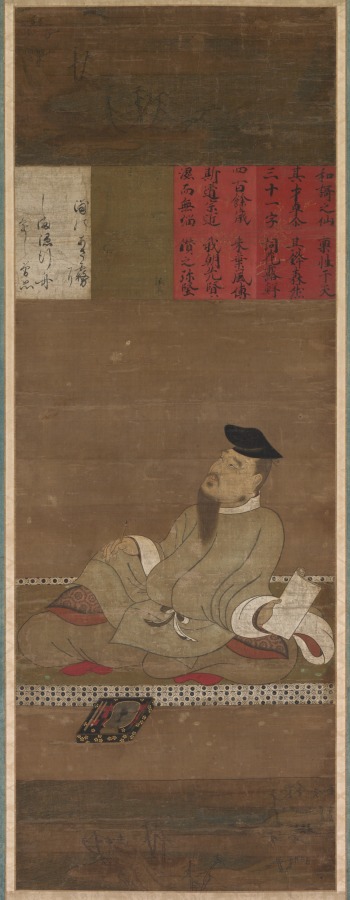
Kakinomoto no Hitomaro
Cleveland Museum of Art

Kakinomoto no Hitomaro
Minneapolis Institute of Art

Poem by Kakinomoto no Hitomaro
Minneapolis Institute of Art

Two Immortal Poets
Minneapolis Institute of Art
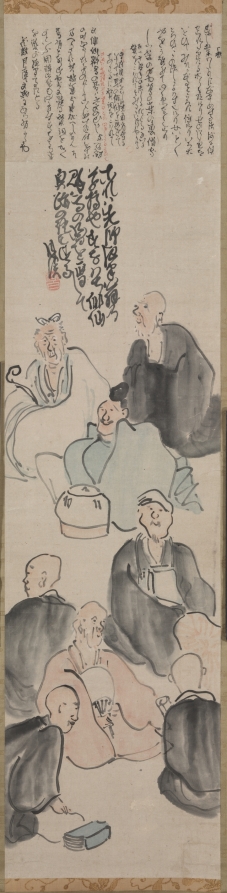
Gathering of Poetic Immortals with Poem Drafts
Cleveland Museum of Art

Poem by Kakinomoto Hitomaro
Minneapolis Institute of Art
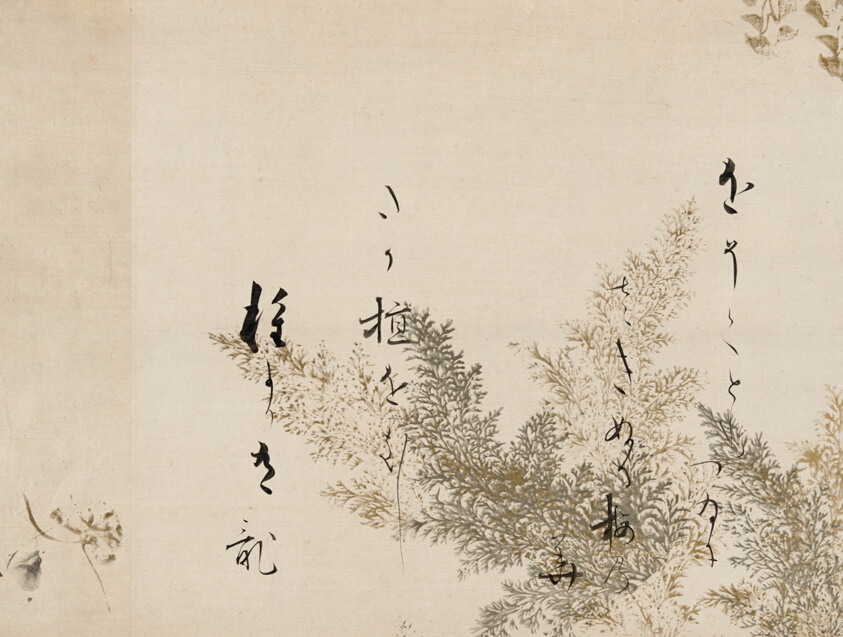
A Poem from the Shin Kokinshu with Design of Shinobugusa (Moss Fern)
Art Institute of Chicago

Fujiwara Teika, from One Poet One Poem (Ikkasen isshu)
Minneapolis Institute of Art
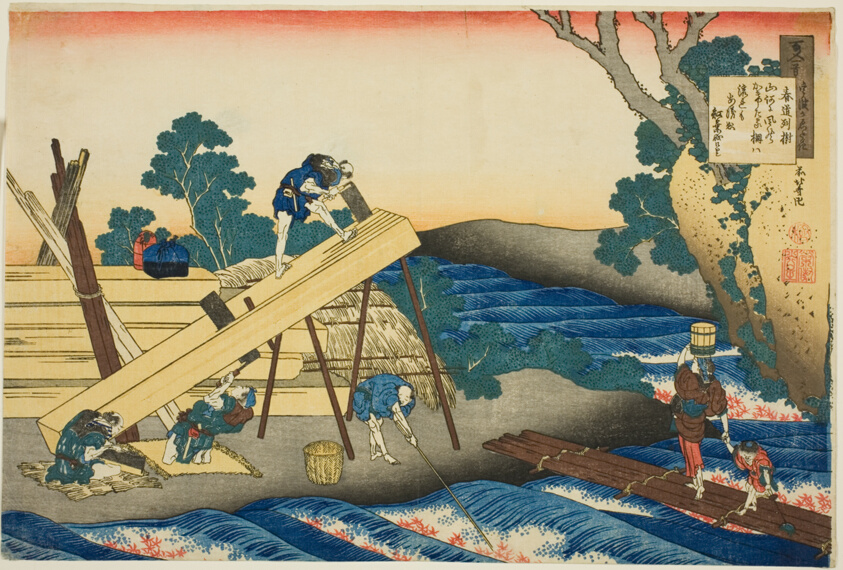
Harumichi no Tsuraki, thirty-second poet in the series One Hundred Poems by One Hundred Poets Explained by the Nurse
Art Institute of Chicago
Landscape
Cleveland Museum of Art
Farmer Returning Home in Autumn
Cleveland Museum of Art