Cleveland Museum of Art
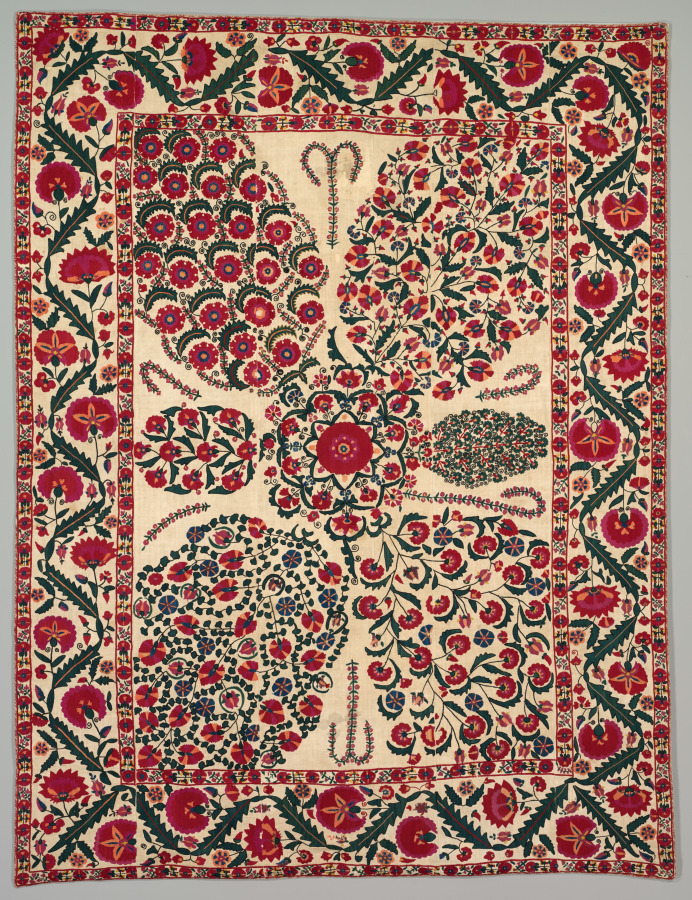
Suzani with floral sprays
- Date
- 1800–1850
- Medium
- Cotton: plain weave, 6 strips; silk: embroidery; filling stitch: kanda xajol, occasionally bosma; outlining stitch: ilmoq
- Culture
- Central Asia, South West Uzbekistan, Shakhrisyabz
- Department
- Textiles
- Institution
- Cleveland Museum of Art
Embroidered textiles were essential items in dowries. This type, known as a suzani after the Persian and Tajik word for needle, suzan , were created by mothers and daughters who proudly displayed them during wedding festivities and special occasions. This is an especially striking example, probably embroidered in Shakhrisyabz, located south of Samarkand in Uzbekistan, during 1800–1850. Suzani were made for numerous functions including the nuptial bed, curtains for storage niches, and wrappers for various dry goods. Floral and foliate motifs generally dominate as seen here, enriched with several shades of red and enhanced by the varied light reflections and colors of the silk thread. Possibly the motifs conveyed cosmological, apotropaic, medicinal, or fertility associations especially for married life. Patterns were drawn in black ink on several loosely joined cotton cloths by a skilled family member or a professional. The cloths were then separated, embroidered individually, and reattached, confirmed by mismatched motifs where the lengths are joined. They are generally attributed to nineteenth-century production after sericulture was introduced in the Merv area around 1800. Six narrow lengths of handwoven cotton cloth were joined and then embroidered with vibrant silk thread to make this suzani .
The authoritative record is held by Cleveland Museum of Art. LinkedCulture surfaces this object and its connections; it does not alter institutional metadata.
Related across collections
Semantically similar works from Cleveland Museum of Art and other institutions.
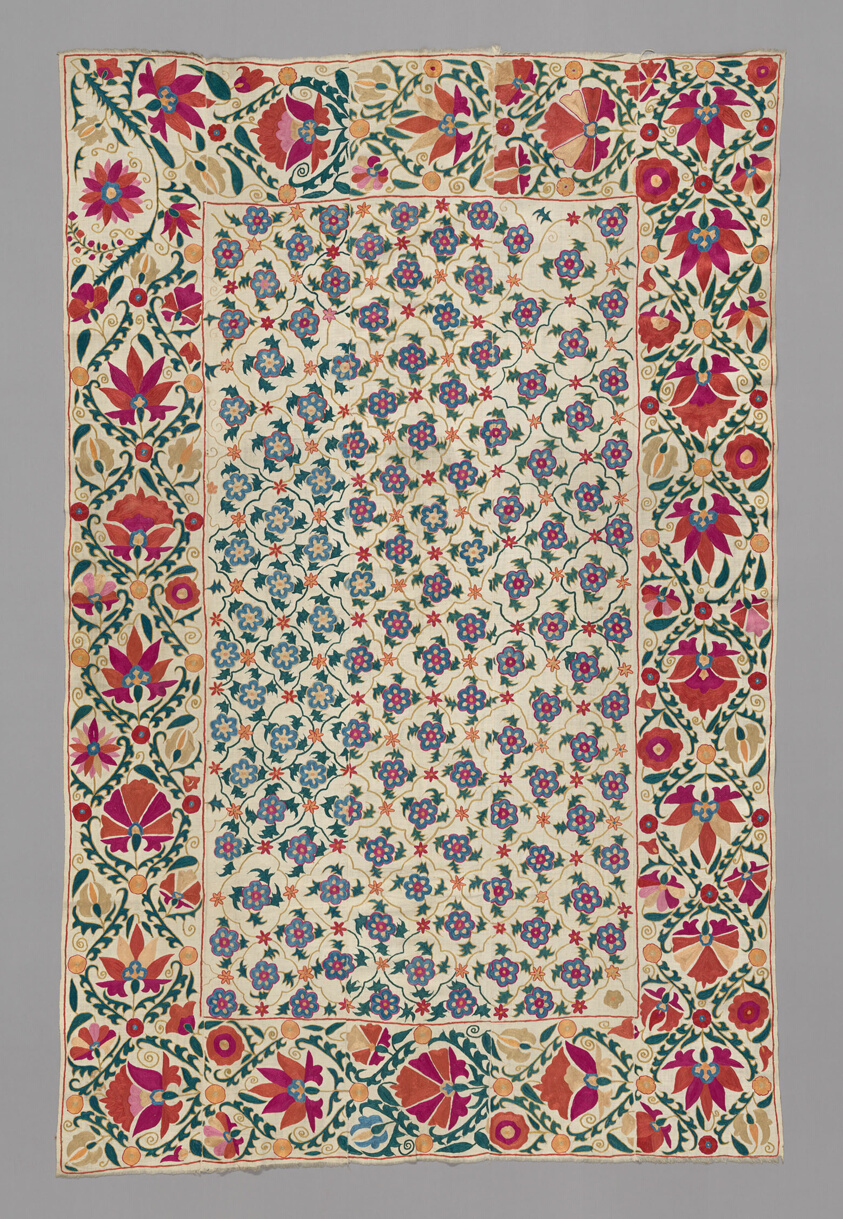
Suzani (large embroidered hanging or cover)
Art Institute of Chicago
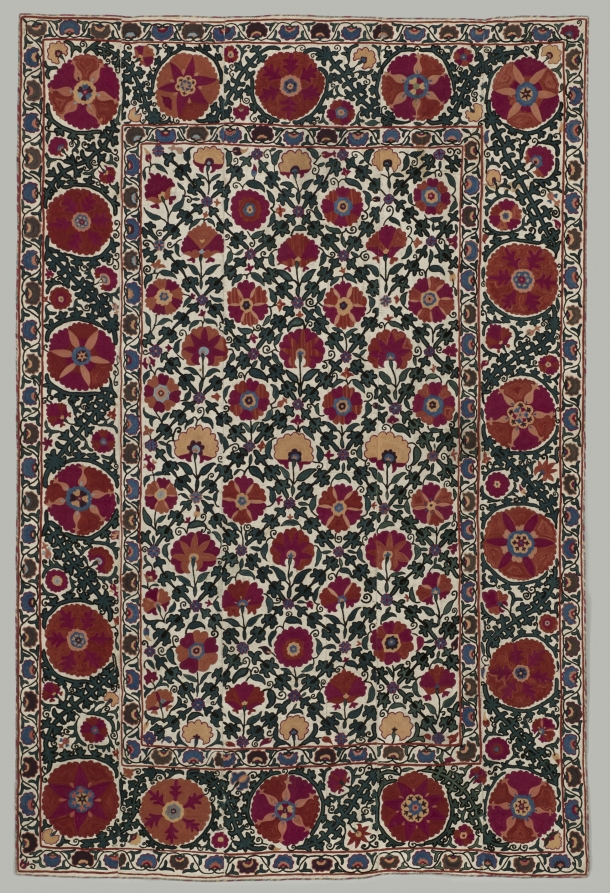
Wall Hanging
Cleveland Museum of Art
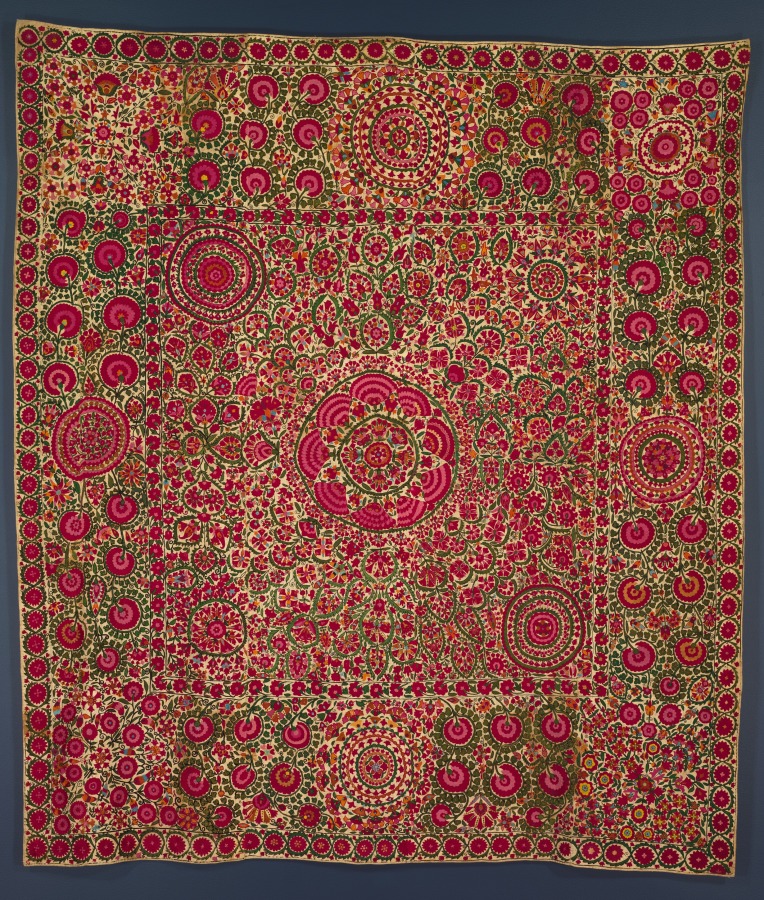
Curtain or bedcover
Cleveland Museum of Art

Suzani
Minneapolis Institute of Art
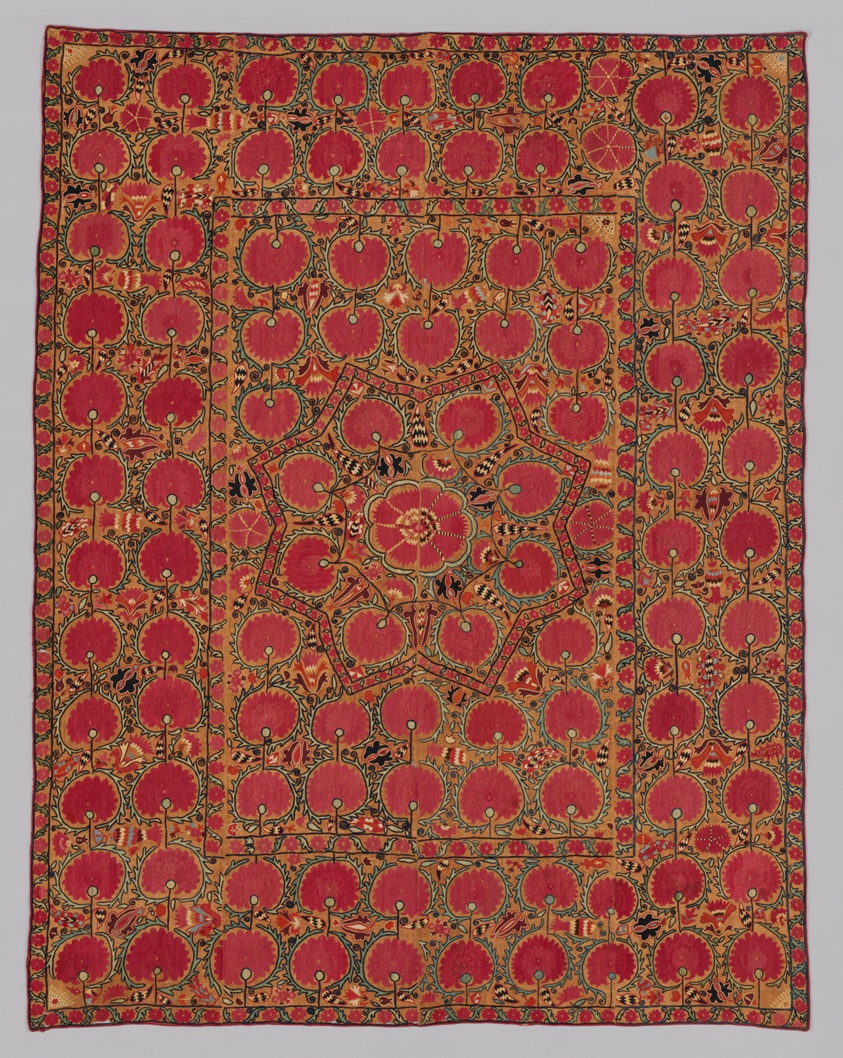
Suzani (large hanging or cover)
Art Institute of Chicago

Suzani (large embroidered hanging or cover)
Art Institute of Chicago
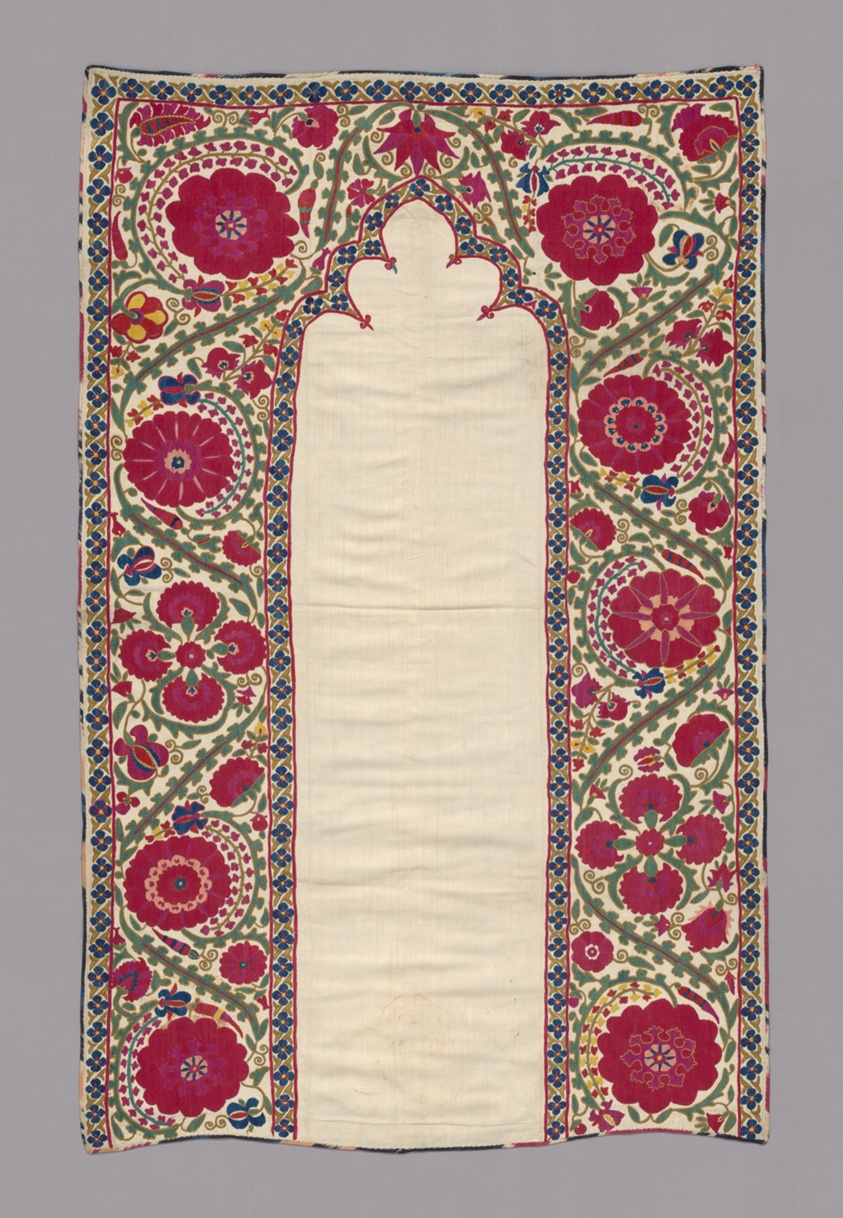
Mihrab or Jai-namaz Suzani
Art Institute of Chicago
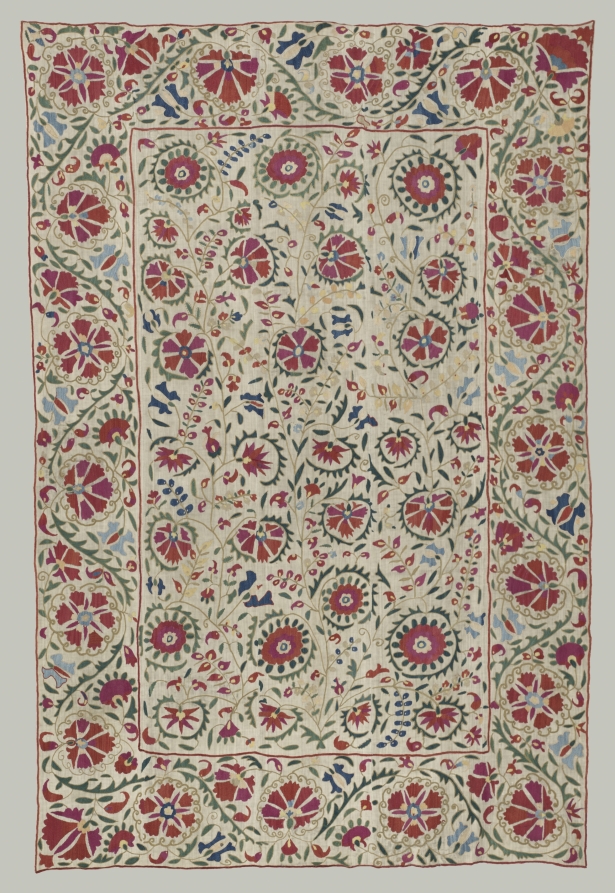
Suzani: Curtain or Bed Cover
Cleveland Museum of Art
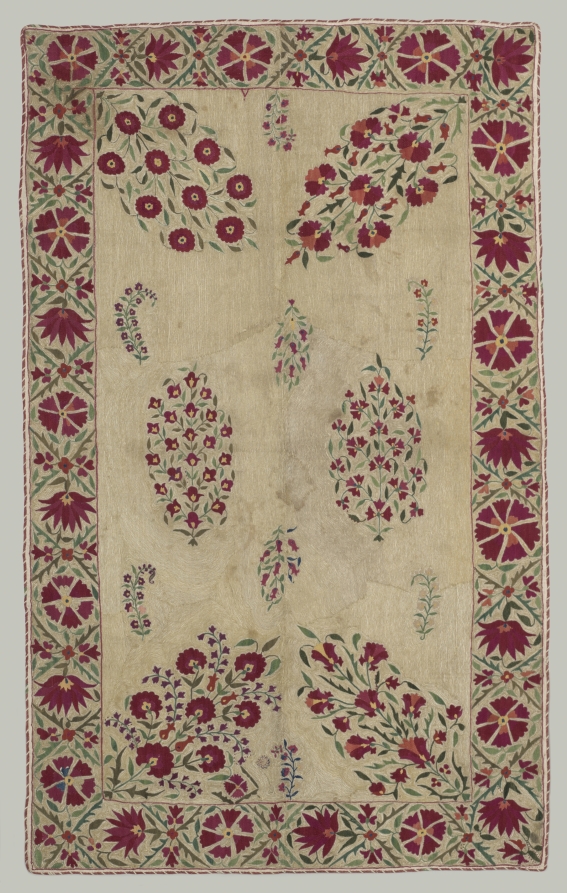
Suzani: Divan Cover
Cleveland Museum of Art

Woman's wedding veil (Abochhini)
Minneapolis Institute of Art
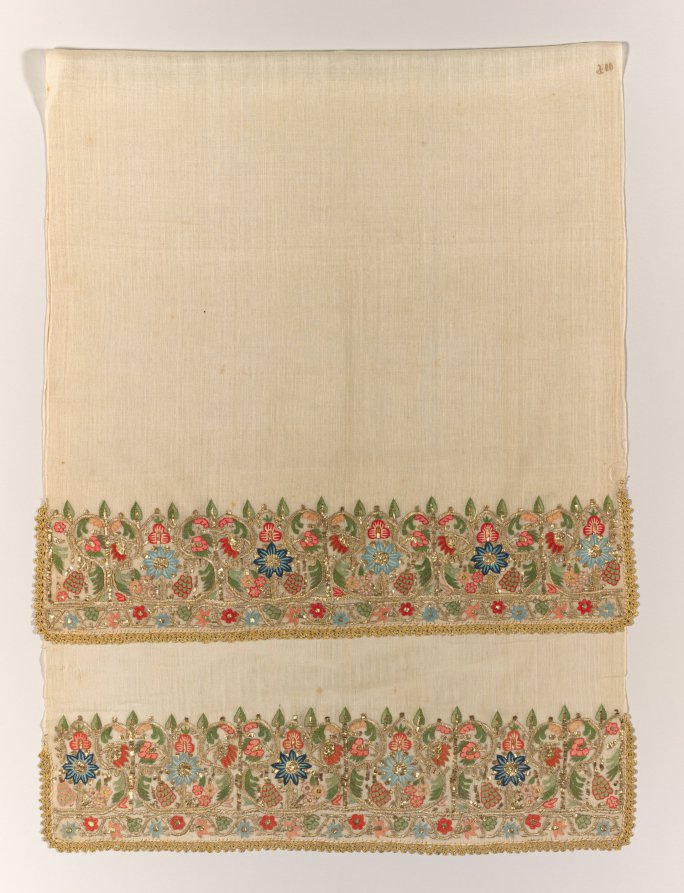
Embroidered towel
Cleveland Museum of Art
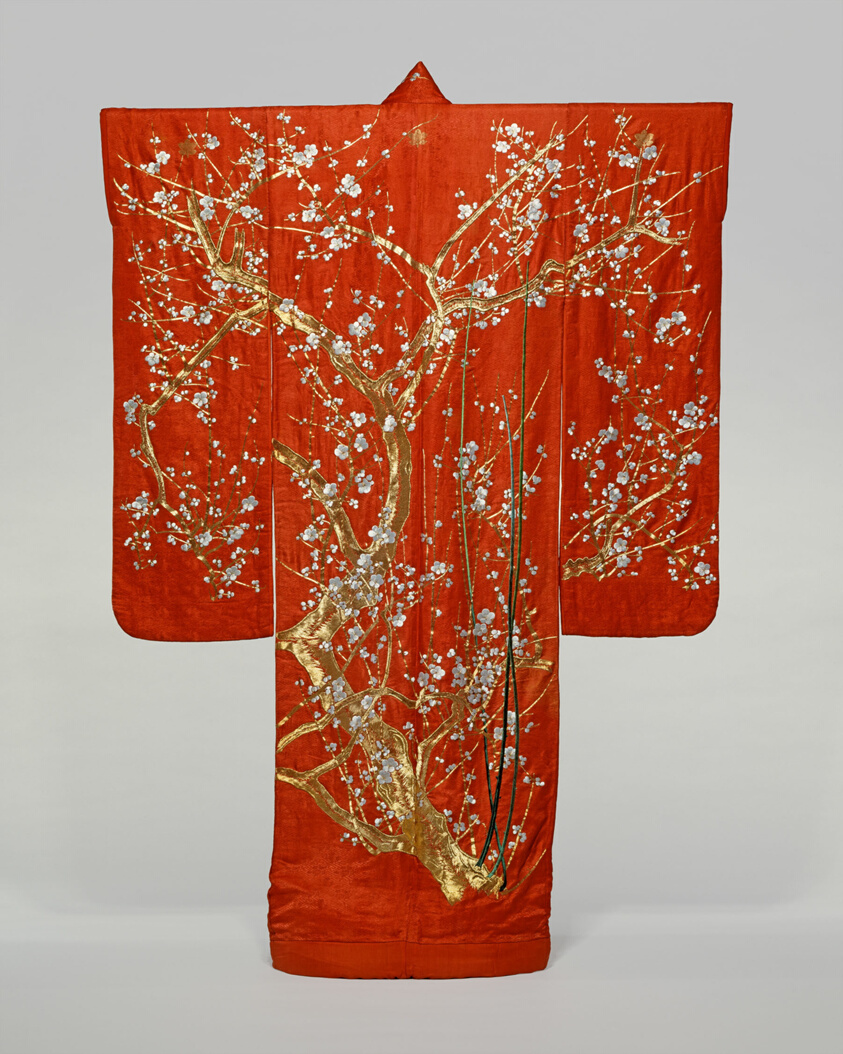
Furisode
Art Institute of Chicago