
Minneapolis Institute of Art
Arm reliquary
Probably France (Brittany)
- Date
- c. 1350–1400
- Medium
- Silver, parcel gilt, ruby, saphires, garnet, spinel, beryl, quartzes, pearls, rock crystal
- Department
- European Art
- Institution
- Minneapolis Institute of Art
A reliquary contains a relic (or what is recognized as a relic) of a particular saint—often a fragment of bone or other body part—and often takes the form of the source of the relic. Reliquaries were commissioned by Catholic churches from prominent local goldsmiths, starting in the Middle Ages, and displayed for veneration in church and in holy processions. Arm reliquaries were a favorite form at this time as priests would use them to touch the faithful, believing that the power of the deceased saint could help heal them. It is not known whether this reliquary was intended for a congregation in Brittany, in northern France, or in southern England, where it is thought to have originated and was most recently collected. Its realistic use of sheet silver wrapping the hand, with fingers raised in blessing, and its rich adornment with precious stones, silver-gilt banding in imitation of richly embroidered trim, and a rock crystal reliquary compartment (now empty) continue to make it a captivating object. Europe
The authoritative record is held by Minneapolis Institute of Art. LinkedCulture surfaces this object and its connections; it does not alter institutional metadata.
Related across collections
Semantically similar works from Minneapolis Institute of Art and other institutions.
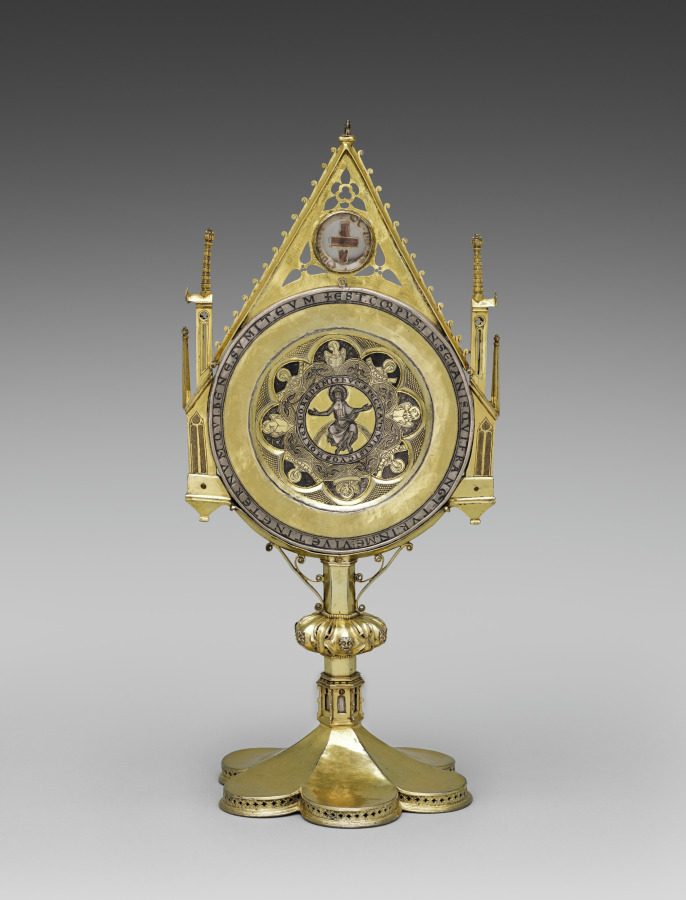
Monstrance with the "Paten of Saint Bernward"
Cleveland Museum of Art
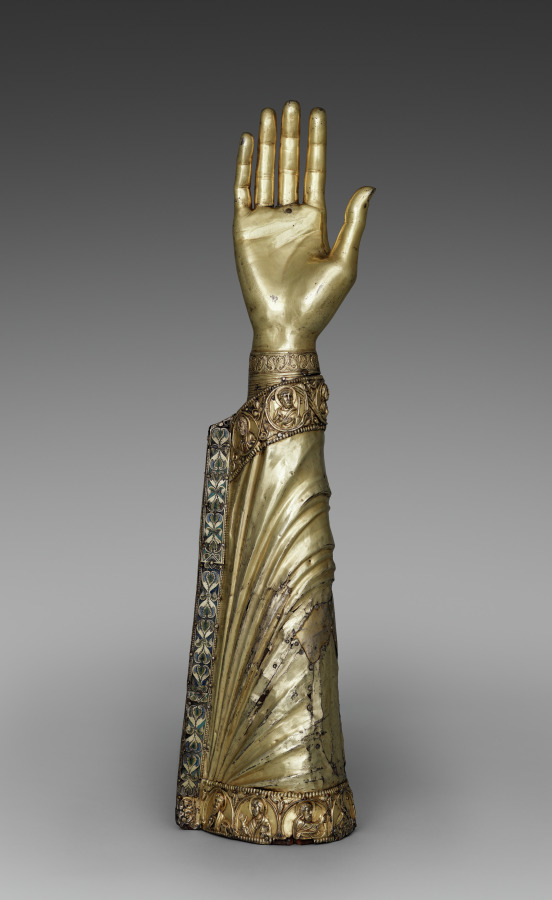
Arm Reliquary of the Apostles
Cleveland Museum of Art
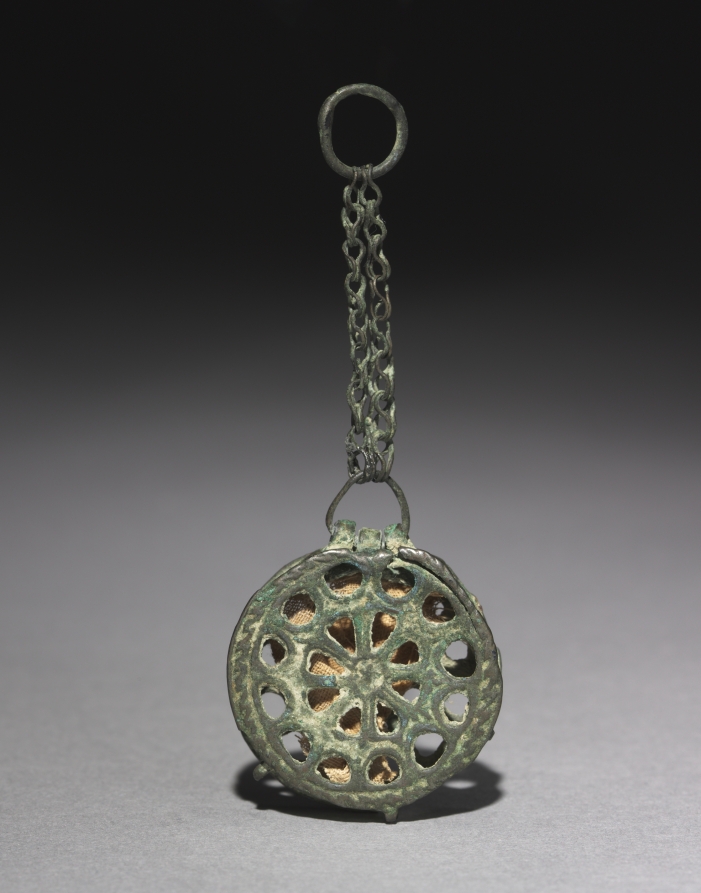
Phylactery (Reliquary Penant)
Cleveland Museum of Art
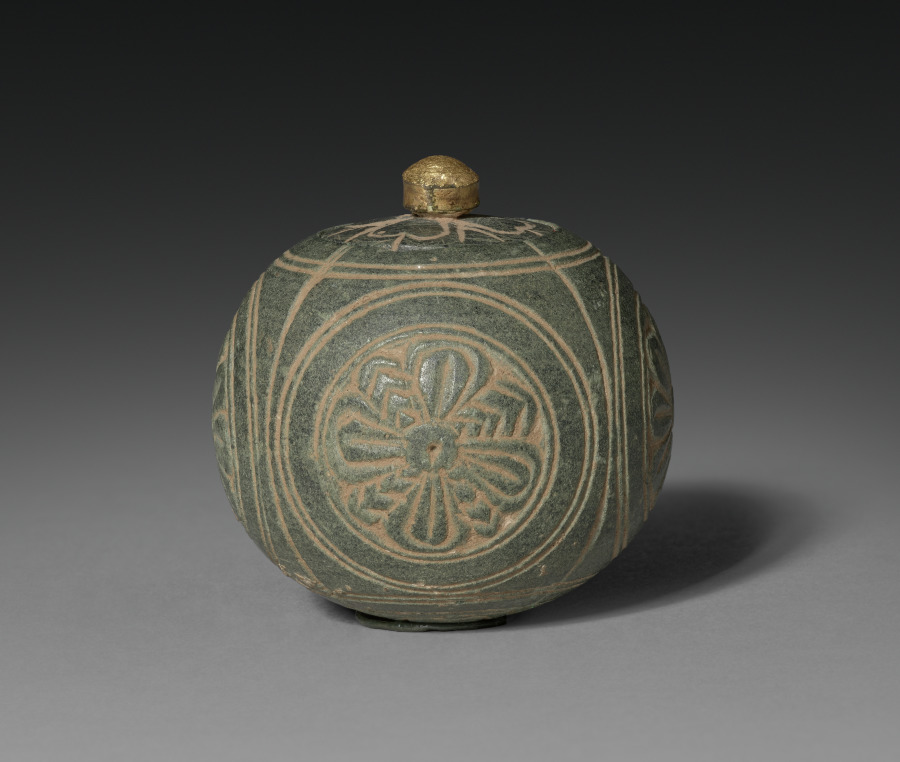
Miniature Stone Reliquary or Toilette Casket
Cleveland Museum of Art
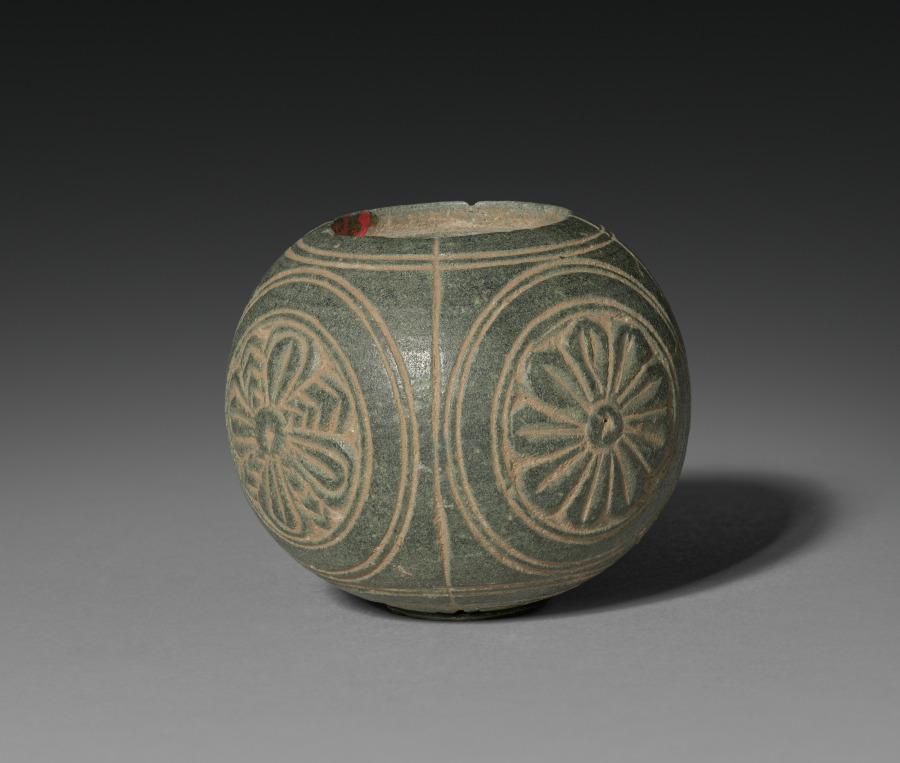
Miniature Stone Reliquary or Toilette Casket
Cleveland Museum of Art

Buddhist reliquary
Minneapolis Institute of Art
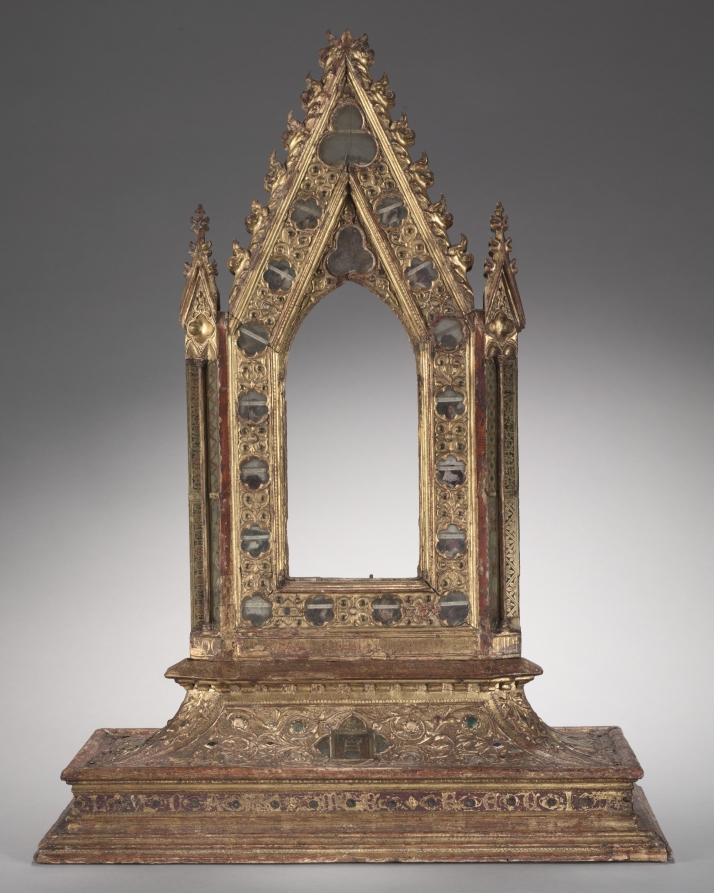
Frame for a Portable Reliquary Icon
Cleveland Museum of Art
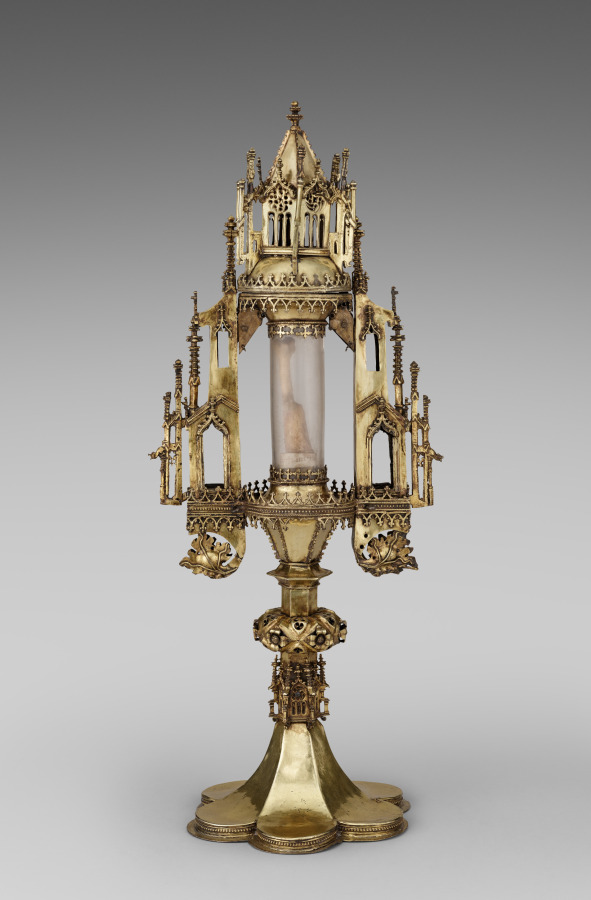
Monstrance with a Relic of Saint Sebastian
Cleveland Museum of Art
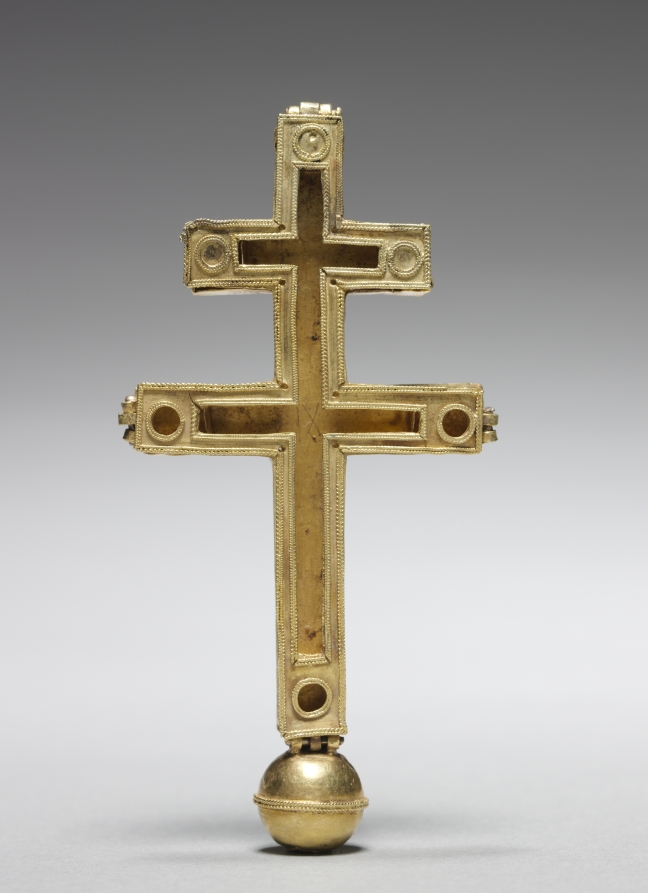
Double-Arm Reliquary Cross
Cleveland Museum of Art
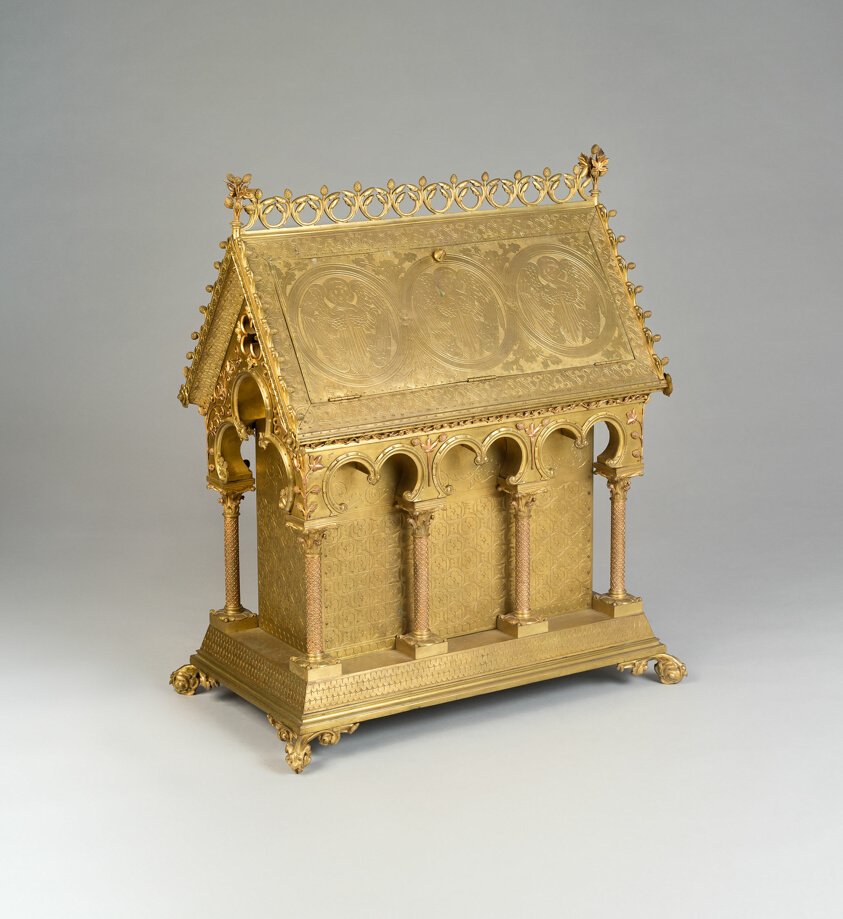
Reliquary
Art Institute of Chicago

Buddhist Reliquary in the Shape of a Wish-Granting Jewel
Minneapolis Institute of Art
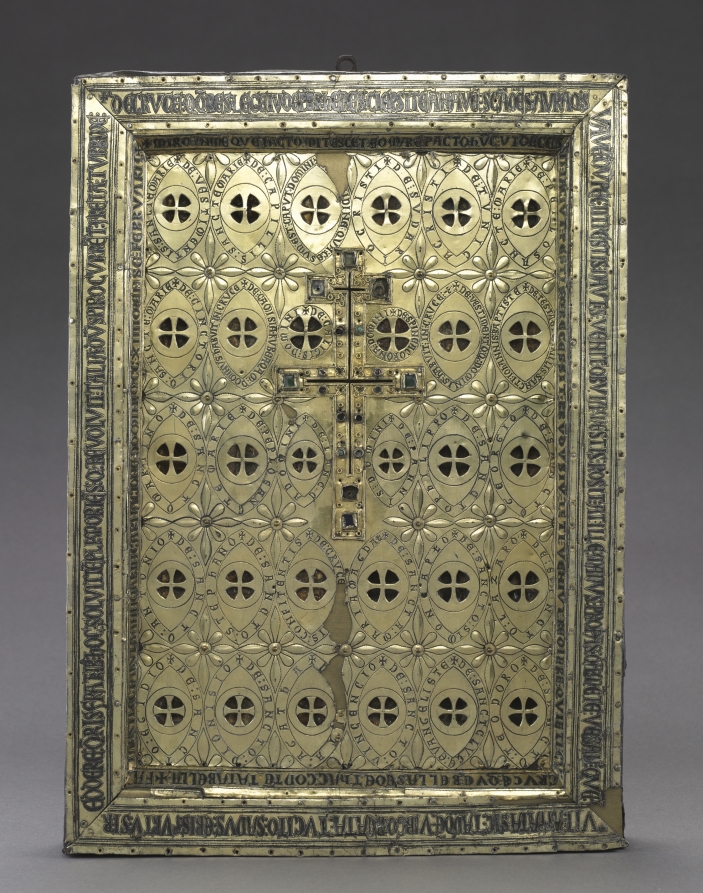
Reliquary of the True Cross
Cleveland Museum of Art