
Minneapolis Institute of Art
Stag
Mori Tetsuzan
- Date
- c. 1815
- Medium
- Hanging scroll, ink and color on paper
- Department
- Asian Art
- Institution
- Minneapolis Institute of Art
Deer have long been considered sacred in Japanese culture as messengers between humans and kami, or Shinto deities. The so-called velvet that covers newly developed antlers was prized in traditional Chinese medicine as well. Because stags bellow to attract mates in the fall, Japanese poets have appreciated the call as a seasonal sign. One reading of the word deer, roku, is a homophone of “luck, ” so deer are also believed to bring good luck. Asia
The authoritative record is held by Minneapolis Institute of Art. LinkedCulture surfaces this object and its connections; it does not alter institutional metadata.
Related across collections
Semantically similar works from Minneapolis Institute of Art and other institutions.

Deer Mandala of the Kasuga Shrine
Minneapolis Institute of Art
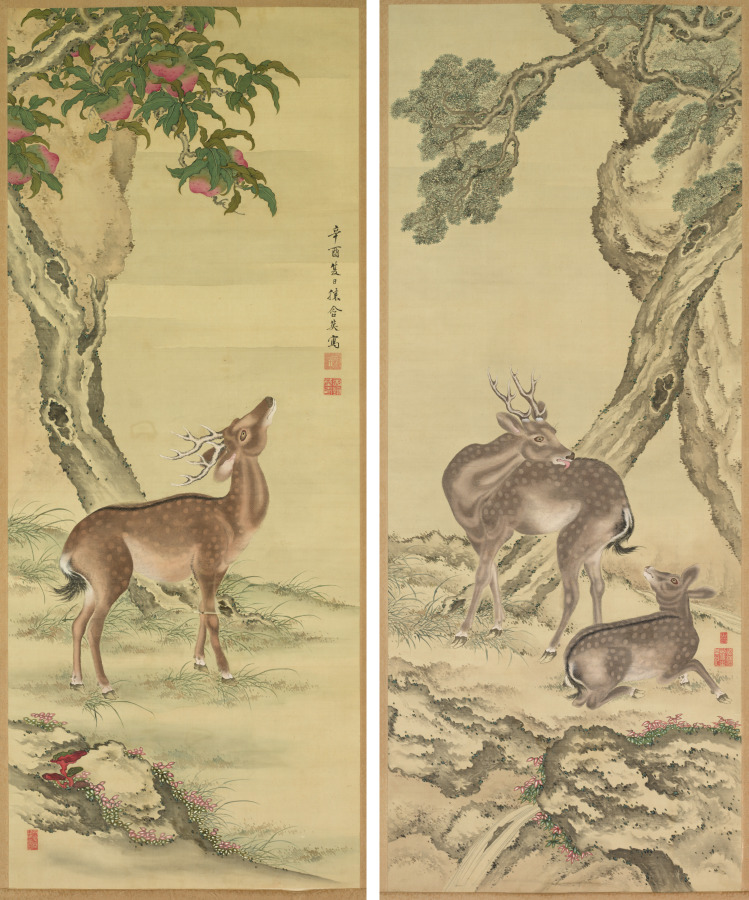
Symbols of Longevity: Deer under Peach and Pine
Cleveland Museum of Art
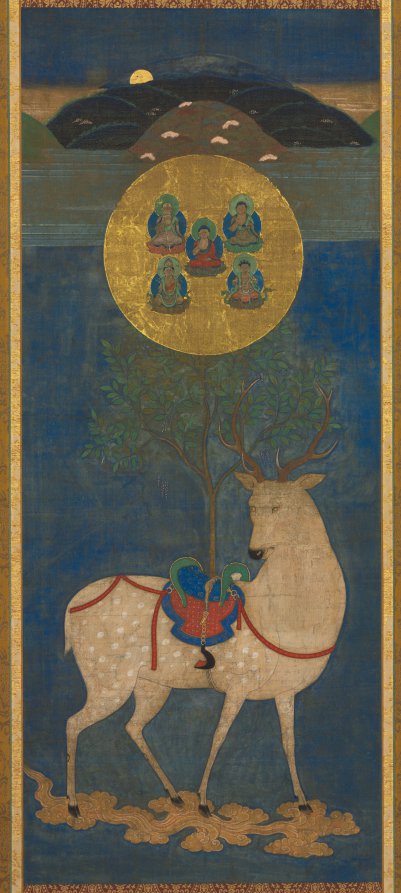
Kasuga Deer Mandala
Cleveland Museum of Art
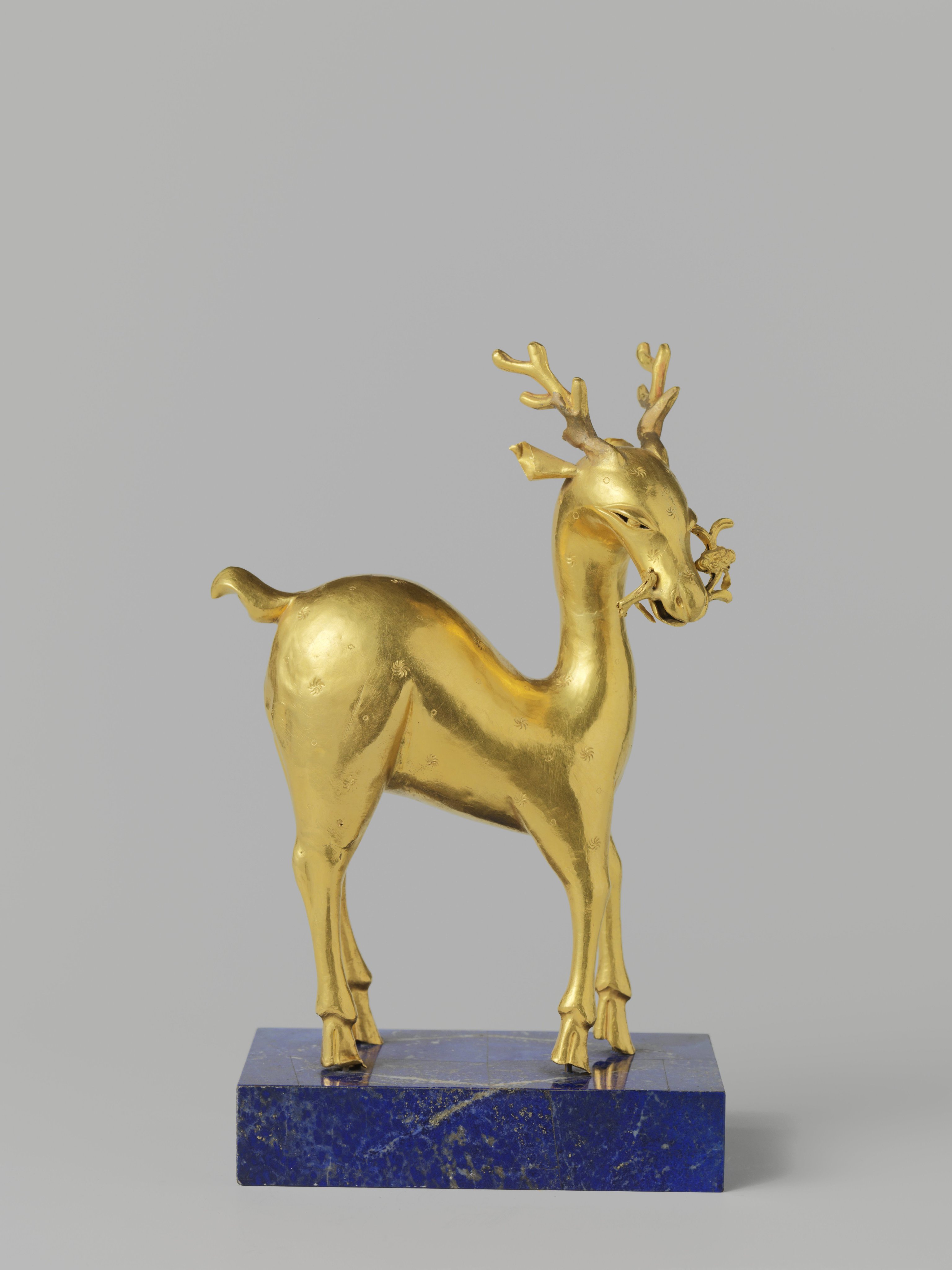
Golden Deer
Rijksmuseum

Shrine Gates
Minneapolis Institute of Art

Francolin and Chrusanthemum
Minneapolis Institute of Art
Symbols of Longevity: Deer under Peach and Pine (Peach) (left)
Cleveland Museum of Art
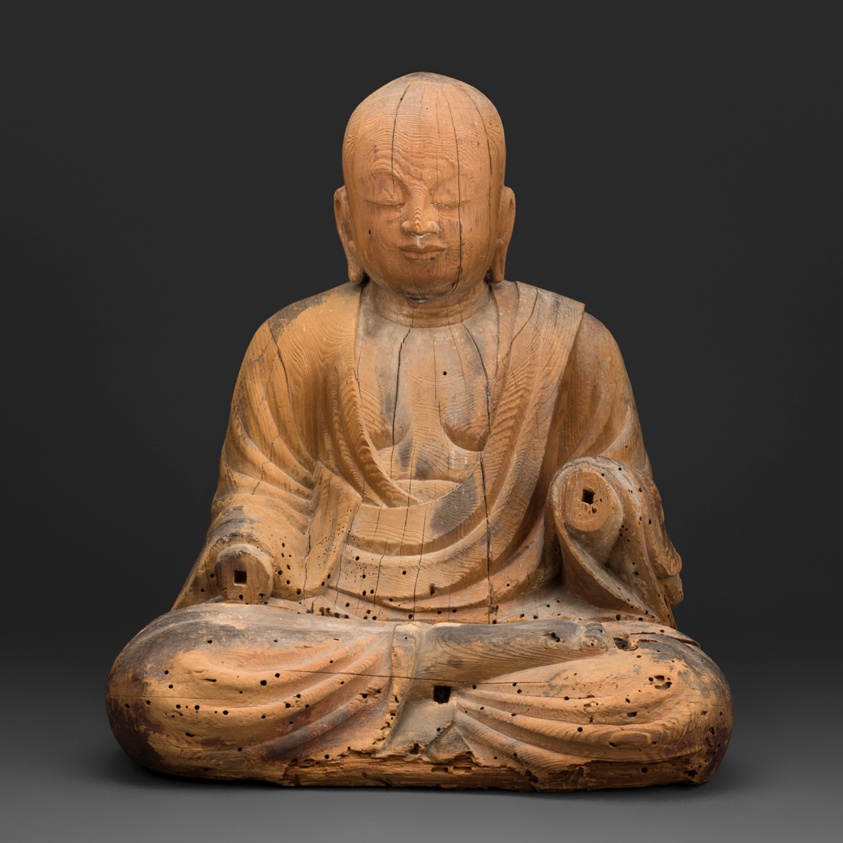
Sōgyō Hachiman
Art Institute of Chicago

Grapevine and Squirrels
Minneapolis Institute of Art
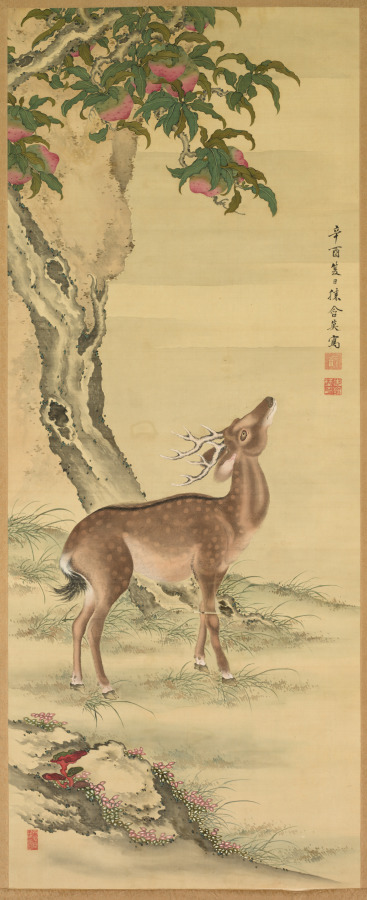
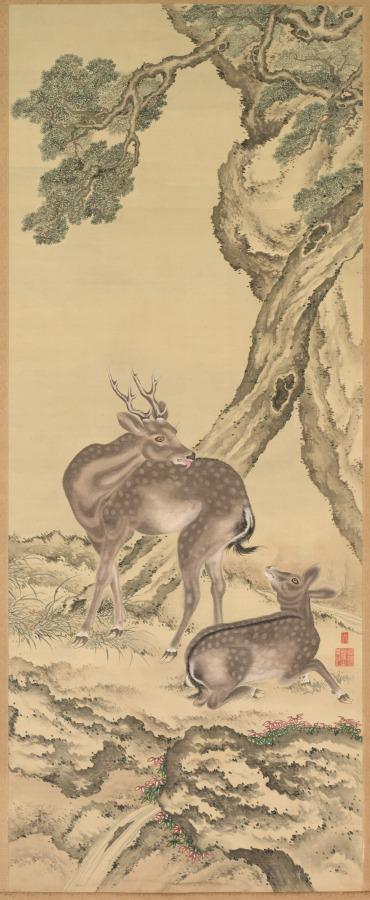
Symbols of Longevity: Deer under Peach and Pine (Pine) (right)
Cleveland Museum of Art
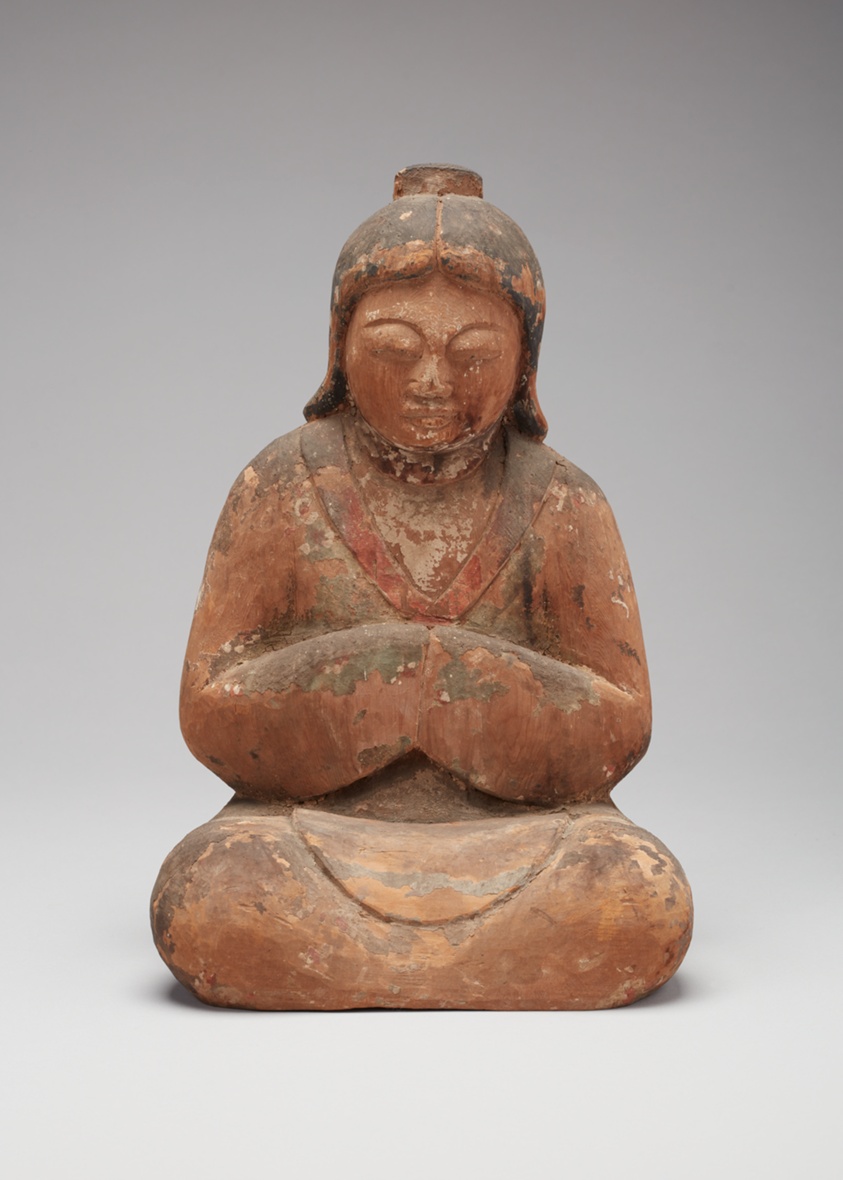
Female Shinto Deity
Art Institute of Chicago

Dakiniten, the Buddhist Manifestation of the Shinto Deity Inari
Minneapolis Institute of Art